FROM PANELS TO FIELD VISITS: CORENET’S POLISH EUROPEAN ROADSHOW TACKLES THE DIGITAL FUTURE OF LOCAL FOOD MARKETS
Organised by IsoTech on behalf of COREnet, the two-day event in Kraków brought together researchers, advisors, practitioners and city administrators to explore how digitalisation can strengthen short food supply chains.
On 13 and 14 May 2026, the city of Kraków hosted one of COREnet’s most topical European Roadshows to date, focused on a question that is increasingly central to agricultural and rural policy across Europe: can digital tools realistically help to organise and scale local food markets, given the dispersed nature of both rural production and urban demand?
Organised by IsoTech on behalf of the COREnet project, and held in collaboration with the Mayor of the City of Kraków, the Kraków Municipal Greenspace Authority, AGH University’s IT Faculty, the National Agricultural Advisory Centre (CDR), and the APPETIT Living Lab, (a COREnet Golden Case) the event drew researchers, advisors, short food supply chain (SFSC) practitioners and city stakeholders from Poland and across the EU.
Day one: panels and perspectives at AGH University
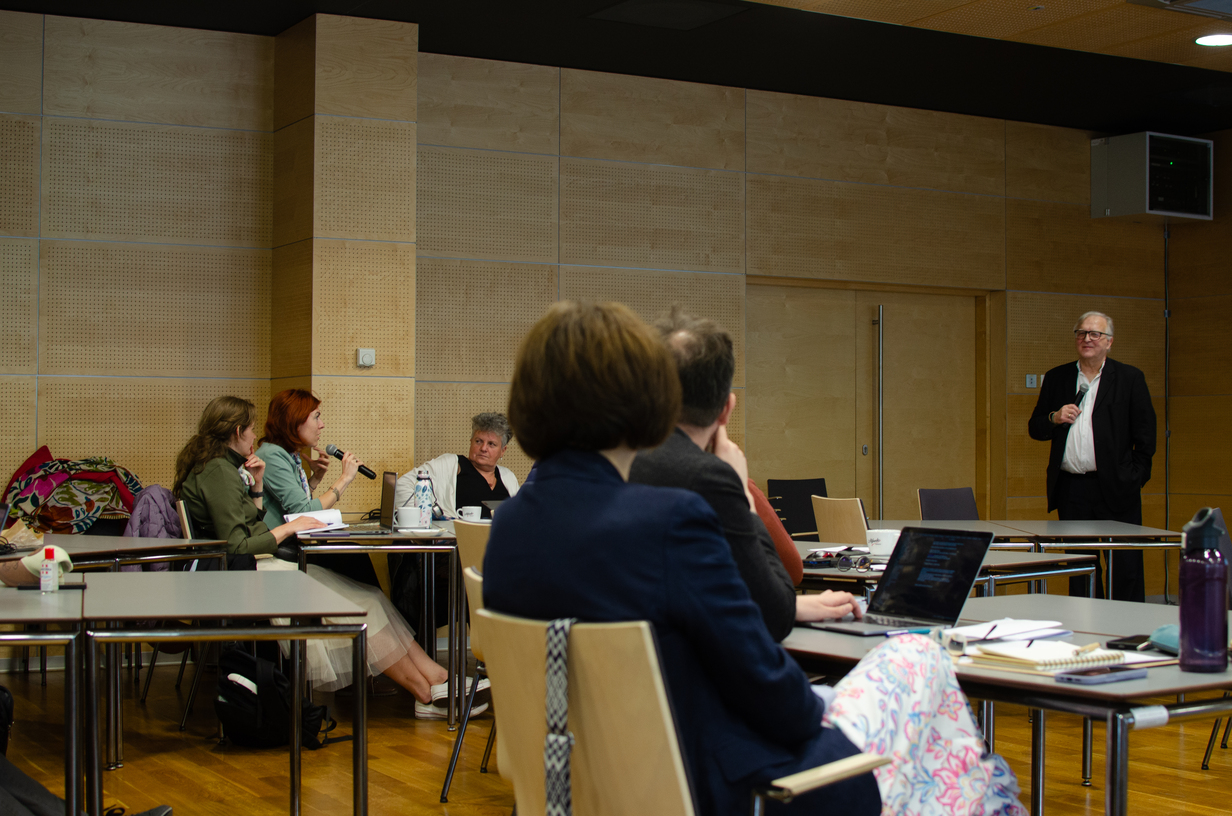
The first day took place at the IT Faculty of AGH University in Kraków, where panel discussions and interactive table sessions were livestreamed online to extend the conversation beyond the room.
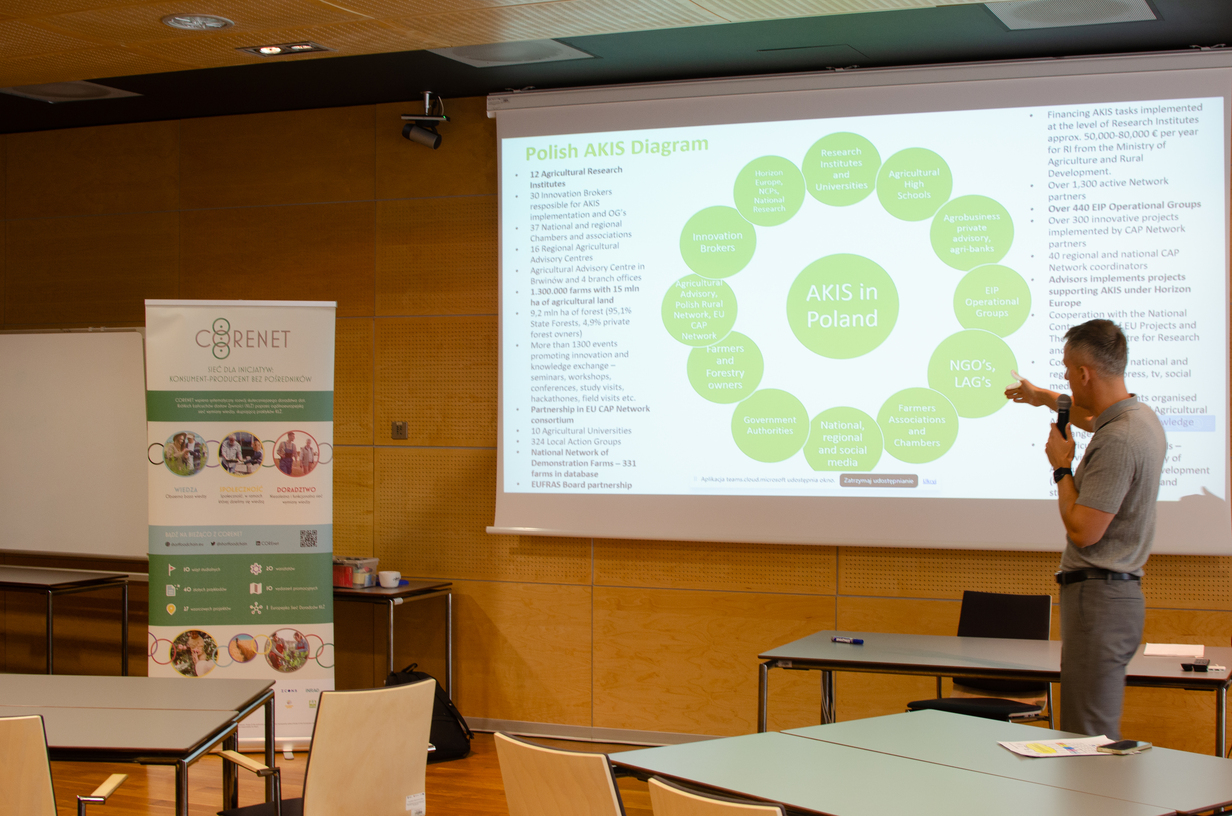
After a welcome from Prof. Marek Kisiel-Dorohnicki, Dean of the IT Faculty, and an introduction to the COREnet project by Rafał Serafin of IsoTech, four thematic sessions unfolded across the day. The first addressed the institutional realities and challenges facing SFSCs in Poland, with a contribution from Magda Raftowicz of the Natural Sciences University in Wrocław. This was followed by a presentation on “sustainable digitalisation” as conceptualised within the CODECS project, delivered by Katrine Soma of Wageningen University together with Rafał Serafin.
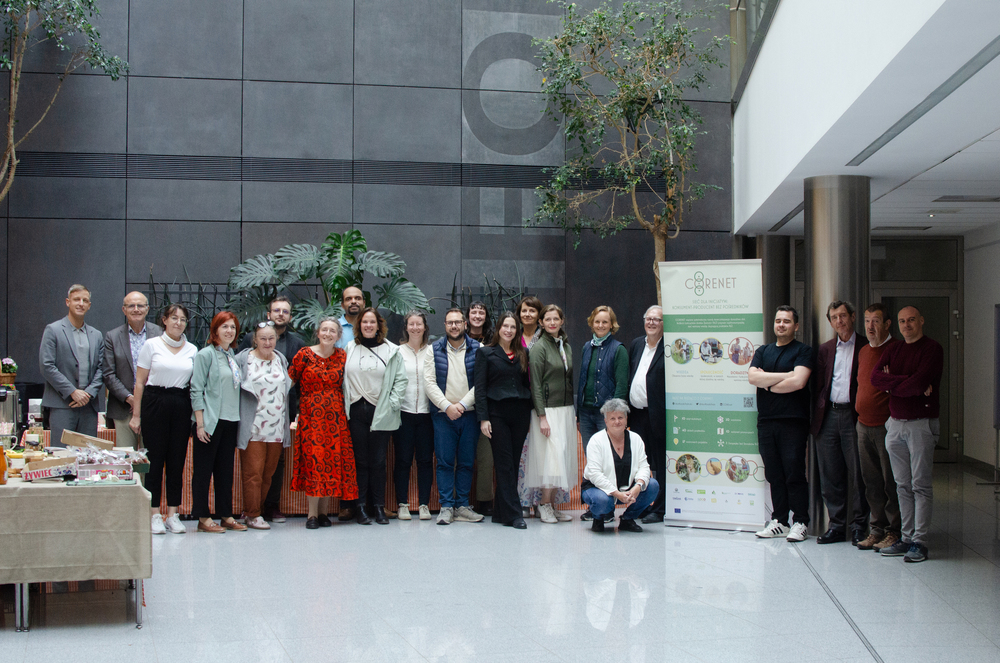
The afternoon opened with a wide-ranging panel on advising SFSCs in Poland and across the EU, featuring contributions from Ryszard Kamiński of the Kujawsko-Pomorski Agricultural Advisory Centre, Aleksander Bomberski of the National Agricultural Advisory Centre, and representatives of the APPETIT Living Lab. The final session, led by Tokya Dammond of GeniHub, explored new technologies and their potential to scale up local food markets. A plenary discussion closed the formal programme, drawing together conclusions and practical recommendations for SFSC stakeholders.
The evening brought a different kind of energy: locally produced food and local producers from Marchewka Mobilna animated a music event, followed by a presentation on the City of Kraków’s priorities for food security by Stanisław Mazur, deputy Mayor of Kraków — a fitting reminder that food policy is also urban policy.
Day two: into the field
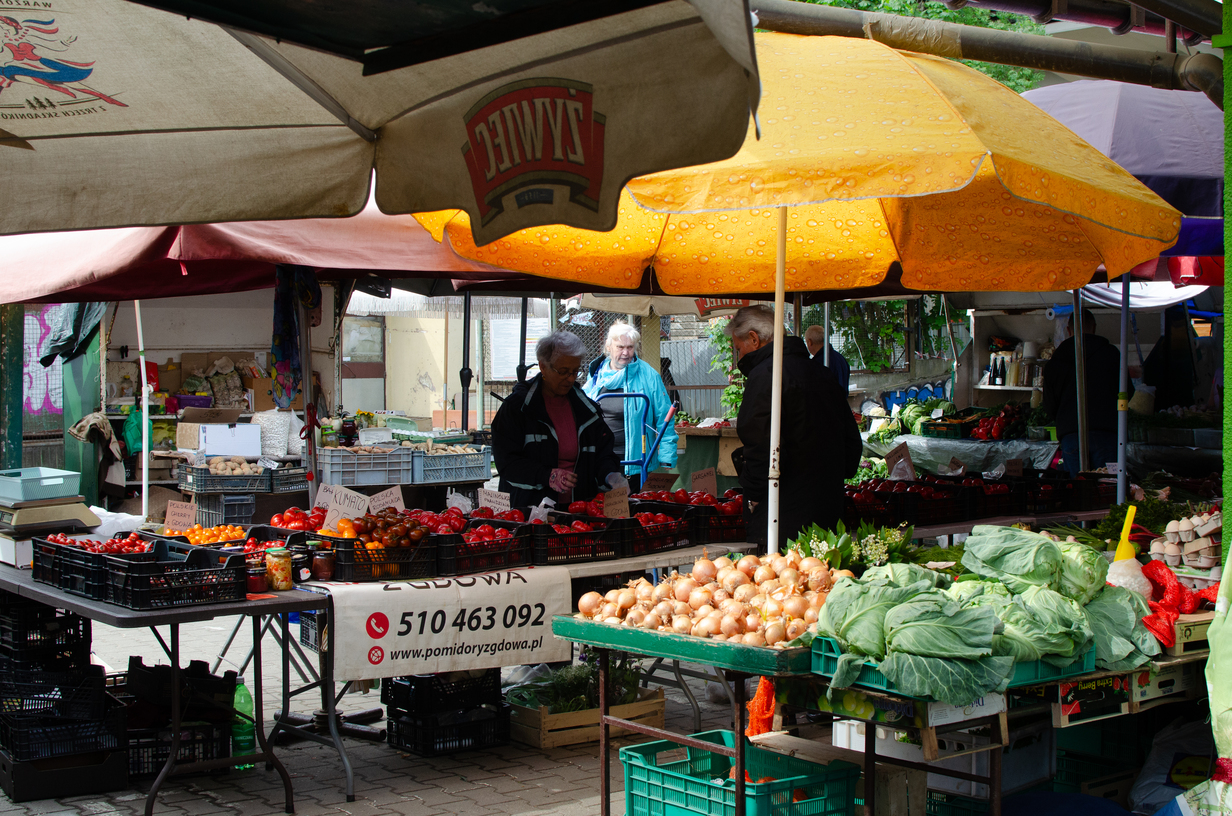
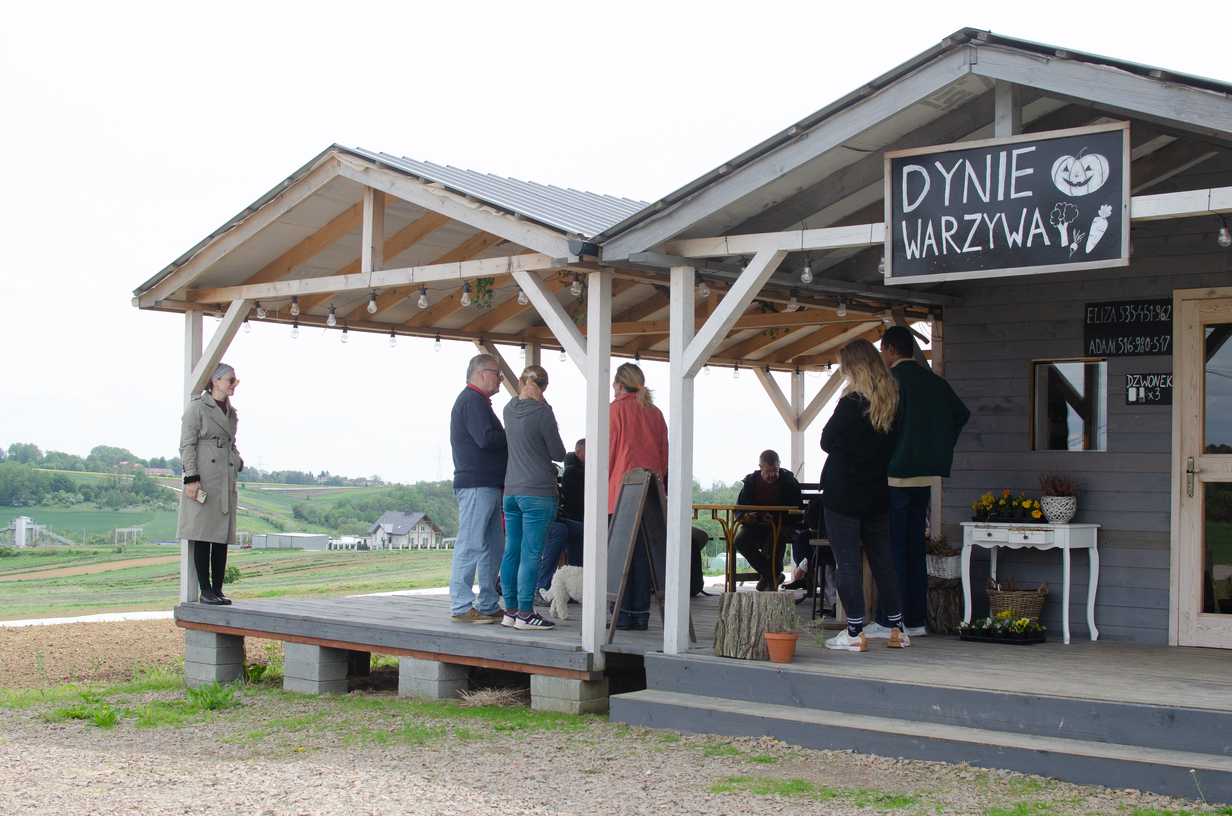
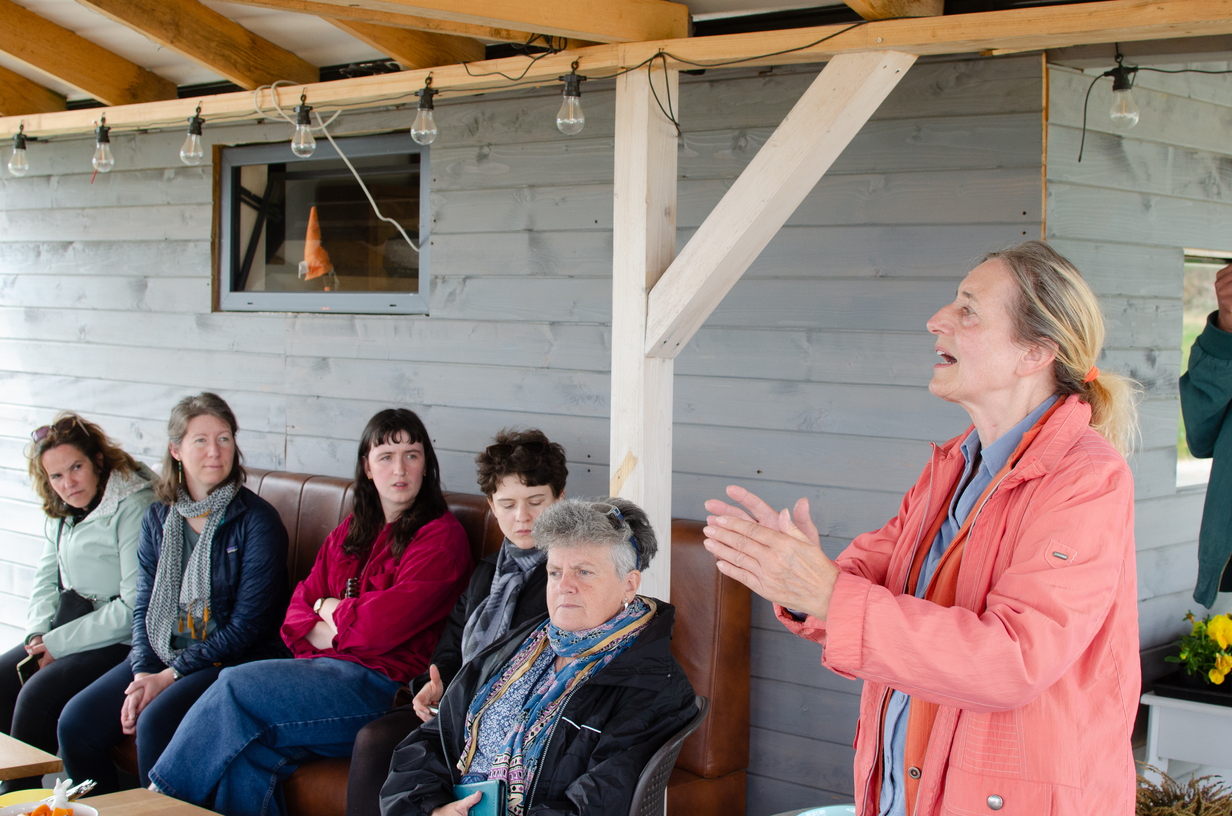
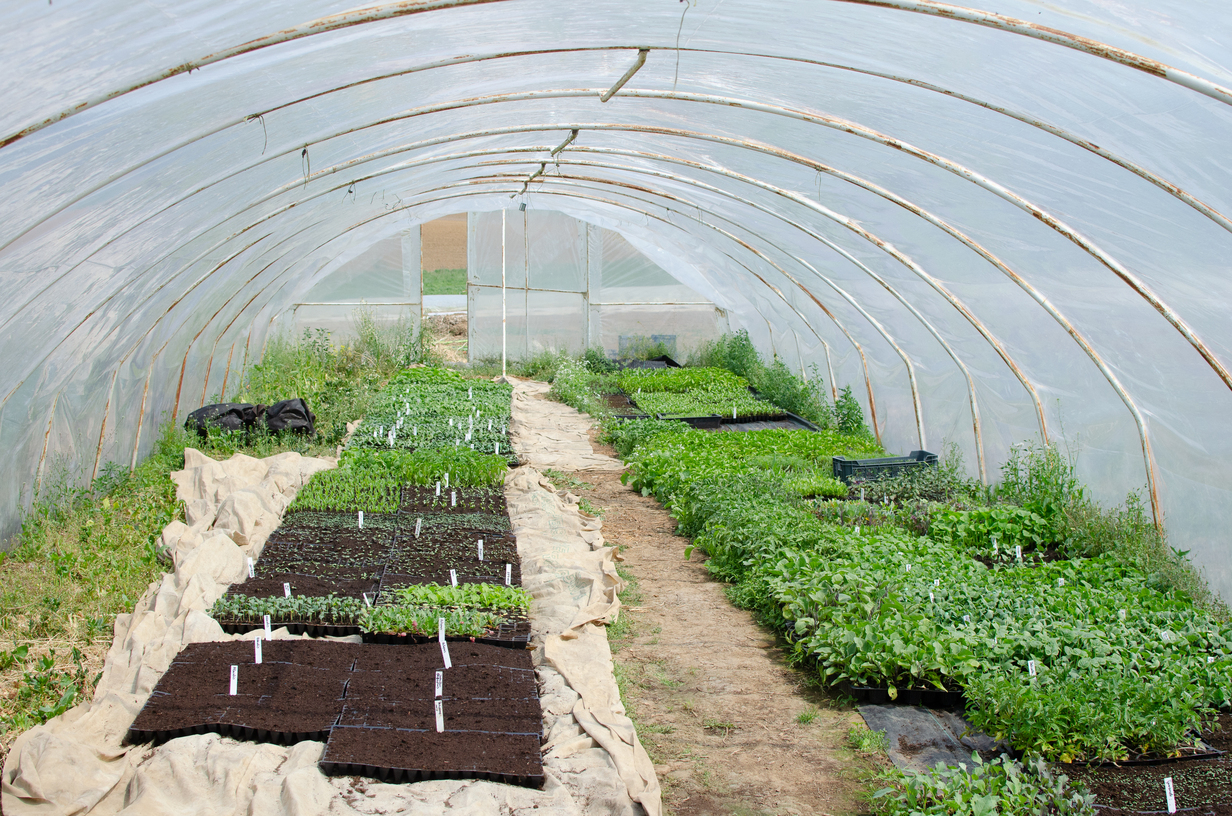
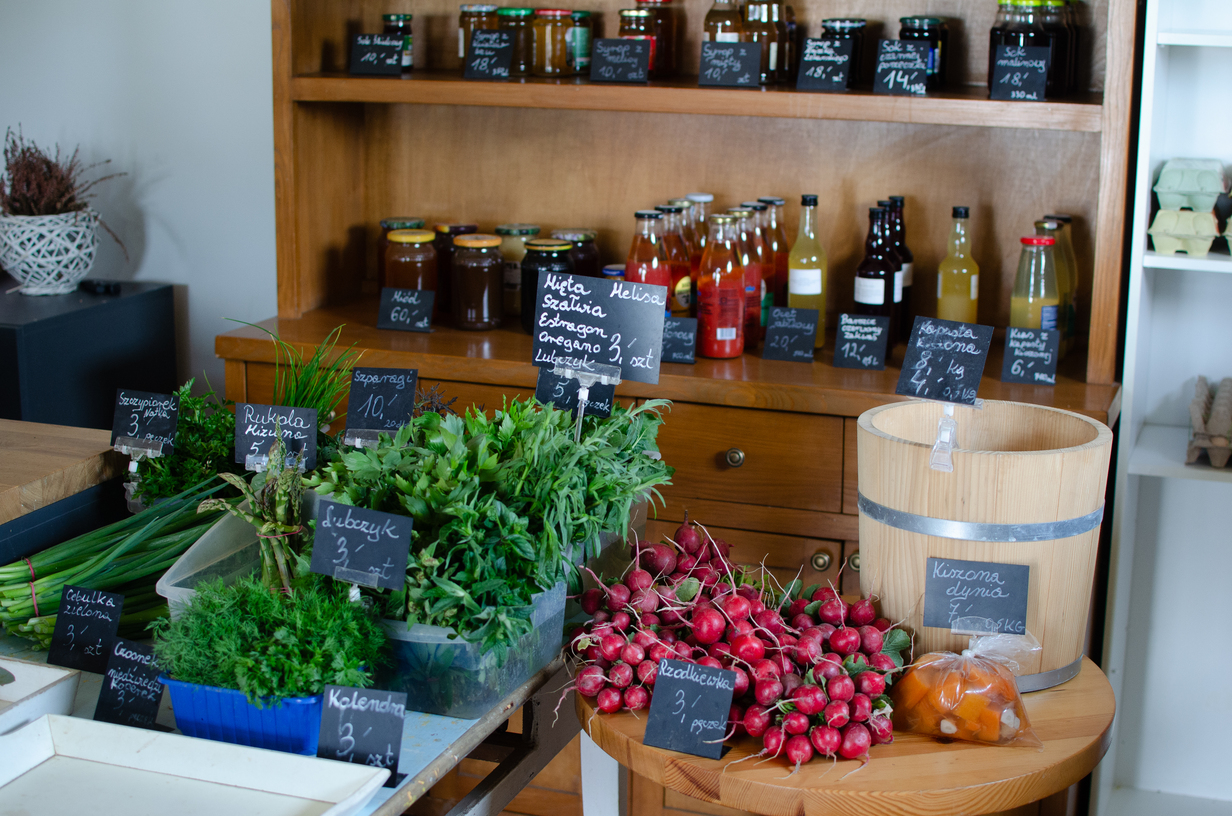
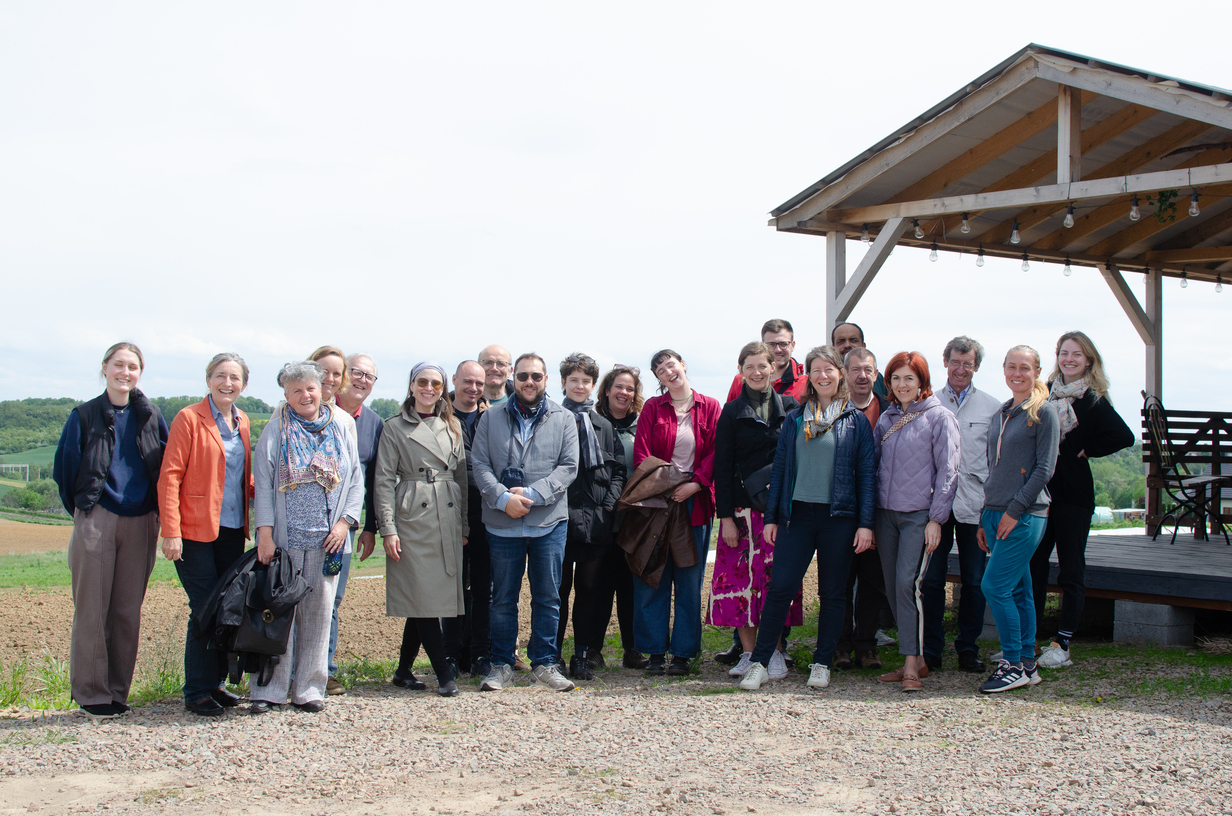
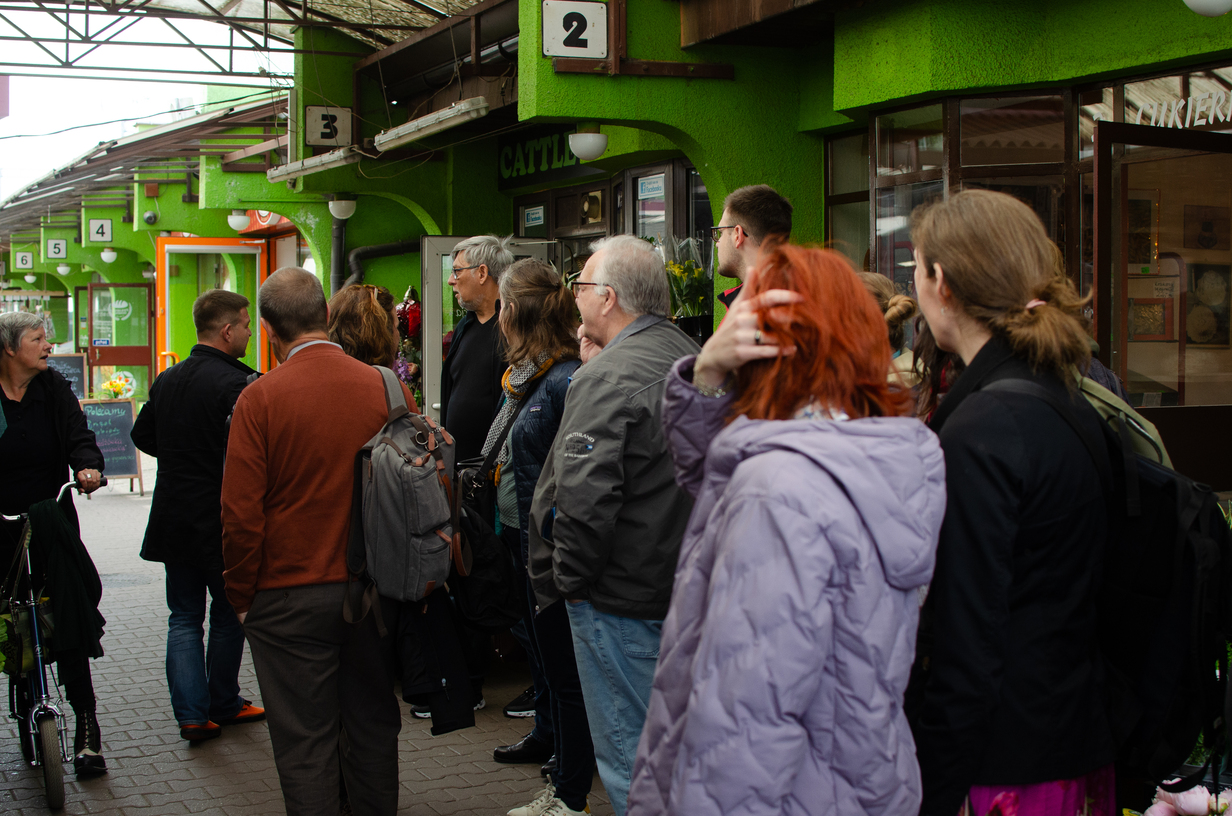
The second day moved the conversation outdoors. Participants gathered at UniTarg, one of Kraków’s municipal markets, to see first-hand how the city is seeking to revitalise its public market spaces by integrating SFSCs into its development strategy. From there, the group visited the Little Pumpkin-Vegetable House of Elizy Rusek, a farm that has adapted to sell both individually and jointly through Marchewka Mobilna and itself a COREnet Golden Case and a compelling example of how collaborative distribution can help small producers reach urban consumers more effectively.
The afternoon workshops moved to the Kraków Municipal Greenspace Authority at the Wisła Football Stadium, where participants worked alongside City of Kraków staff, including the city’s food coordinator, and representatives of the APPETIT Living Lab. Together, they explored concrete steps for implementing the Kraków Development Strategy’s provisions on food security and strengthening the resilience and food sovereignty of the city and the Małopolska region. The day closed with a plenary session summarising reflections, conclusions and recommendations on the future of SFSC advising.
Digitalisation as Opportunity and Challenge
The Kraków Roadshow placed digitalisation firmly on the agenda at a moment when it is both a policy priority, under the CAP 2023–2027, the Farm to Fork Strategy, and the Vision for Food and Agriculture 2030, and a practical challenge for the communities COREnet works with. Digital tools can improve cooperation among producers, increase transparency and strengthen producer-consumer relationships. Yet their uptake in SFSC contexts frequently runs into technological, financial, organisational and institutional barriers that advisors are uniquely positioned to help navigate.
The event sought to move beyond the theoretical debate and ground the discussion in lived experience: what models are actually working, what barriers remain, and what role cities like Kraków, together with their advisory networks, can play in making local food markets more accessible and resilient.
COREnet’s European Roadshows are designed precisely for this purpose: to create spaces where policy, practice and lived experience meet, and where the knowledge built through the project can be tested, refined and shared across borders.
Click on the pictures below and scroll through the gallery to see the Roadshow highlights