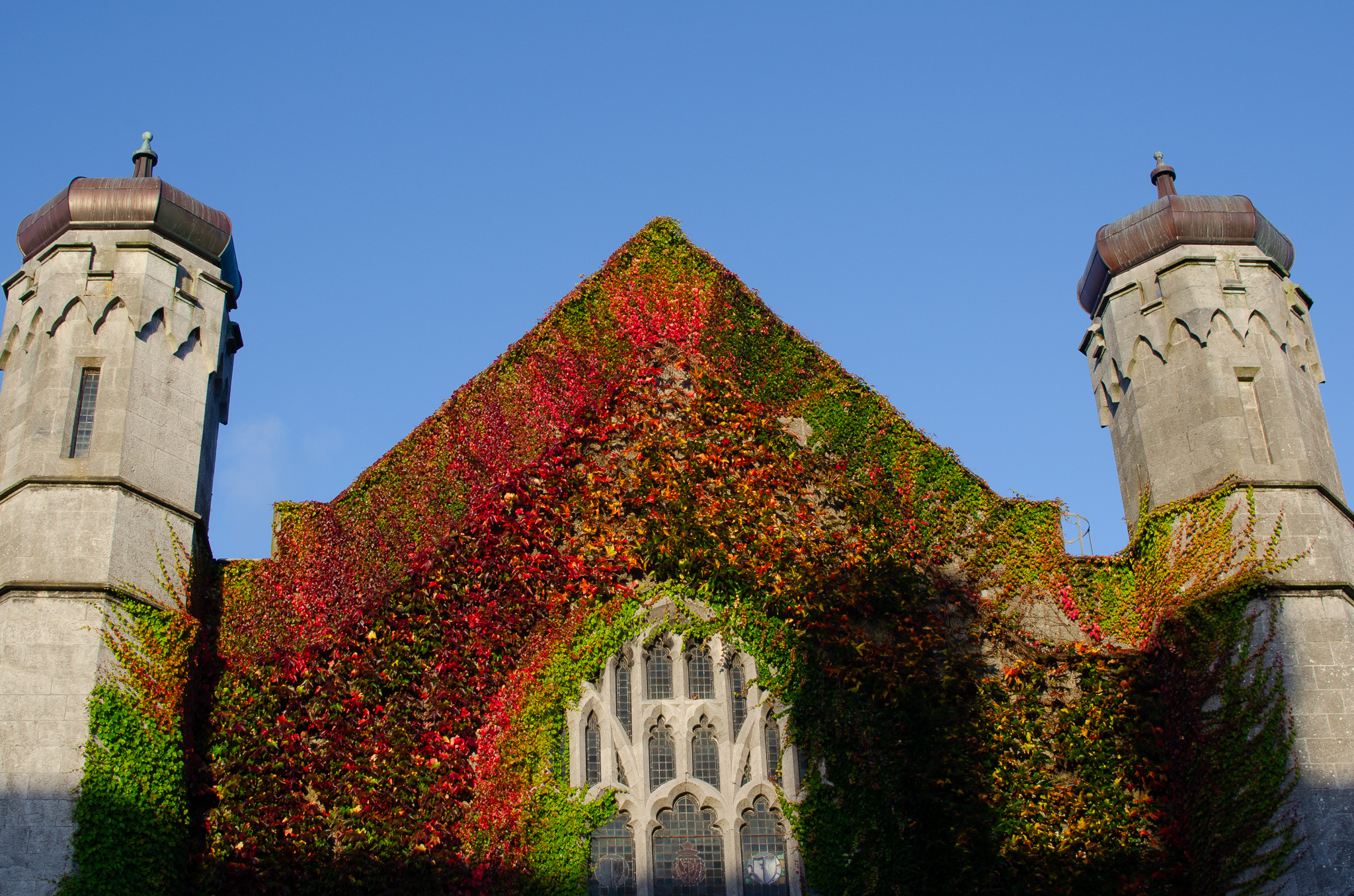
WOMEN, LAND AND FOOD: CORENET EUROPEAN ROADSHOW EXPLORES IRELAND’S SHORT FOOD SUPPLY CHAINS
Hosted by Teagasc, the three-day Roadshow took the COREnet project from Dublin to the west of Ireland, with visits to three Golden Cases, the project’s General Assembly and a high-level event on rural women in agriculture.
Ireland was the latest stop of the COREnet European Roadshows, the series of visits that takes the project across Europe to learn first-hand from short food supply chains (SFSCs). From 13 to 16 October 2026, hosted by Teagasc, Ireland’s agriculture and food development authority and a COREnet partner, the consortium visited three Golden Cases, held the General Assembly and joined a high-level event on the role of rural women in agriculture.
The journey began in the most fitting way possible: with a meal.
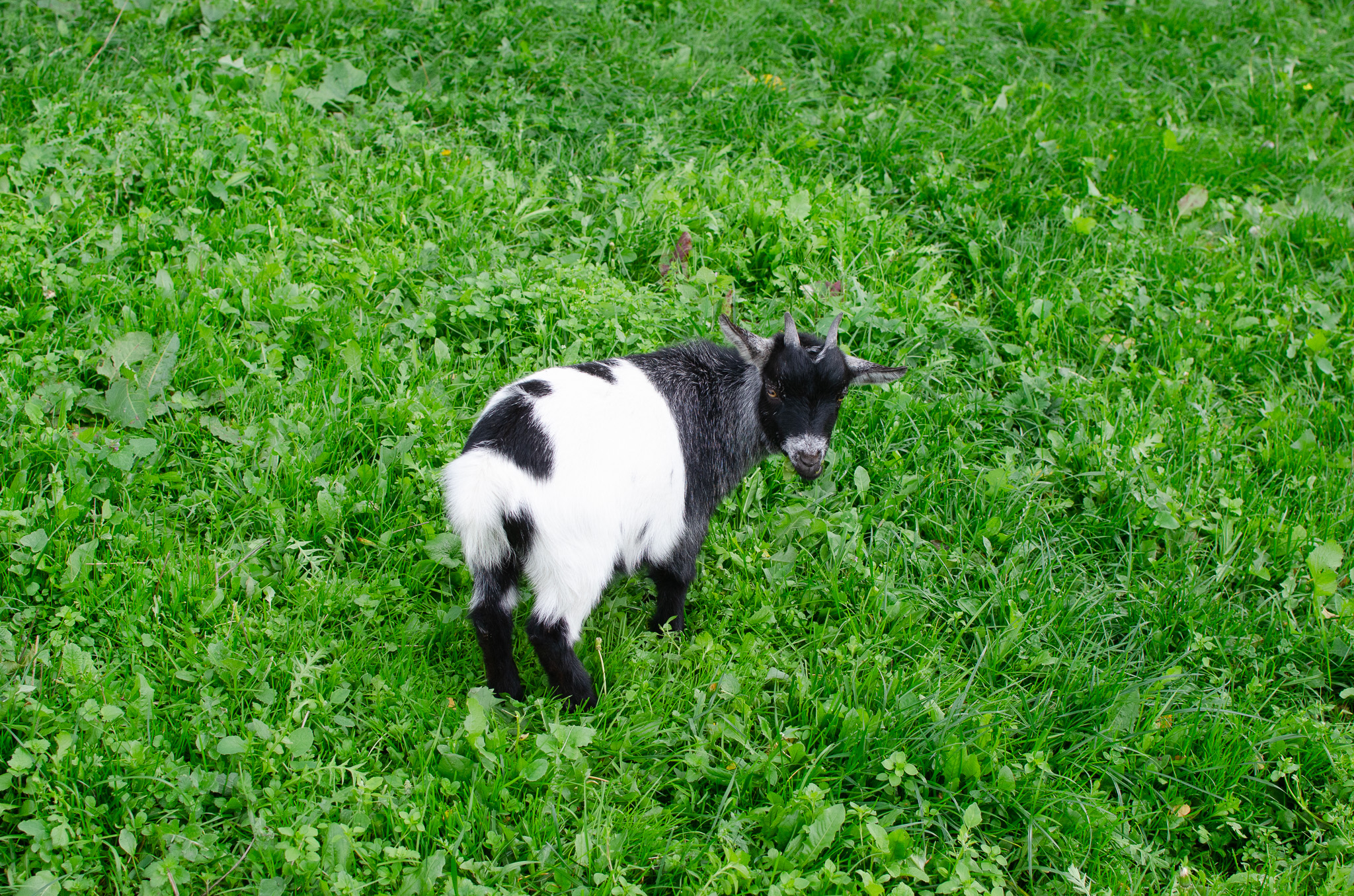
At Airfield Estate in Dublin (COREnet Golden Case), lunch came straight from the farm. The COREnet consortium walked through the kitchen garden, sat down to eat its vegetables, and then met the animals that make the farm work: hens, goats, lambs and dairy cows.
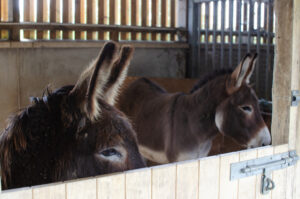
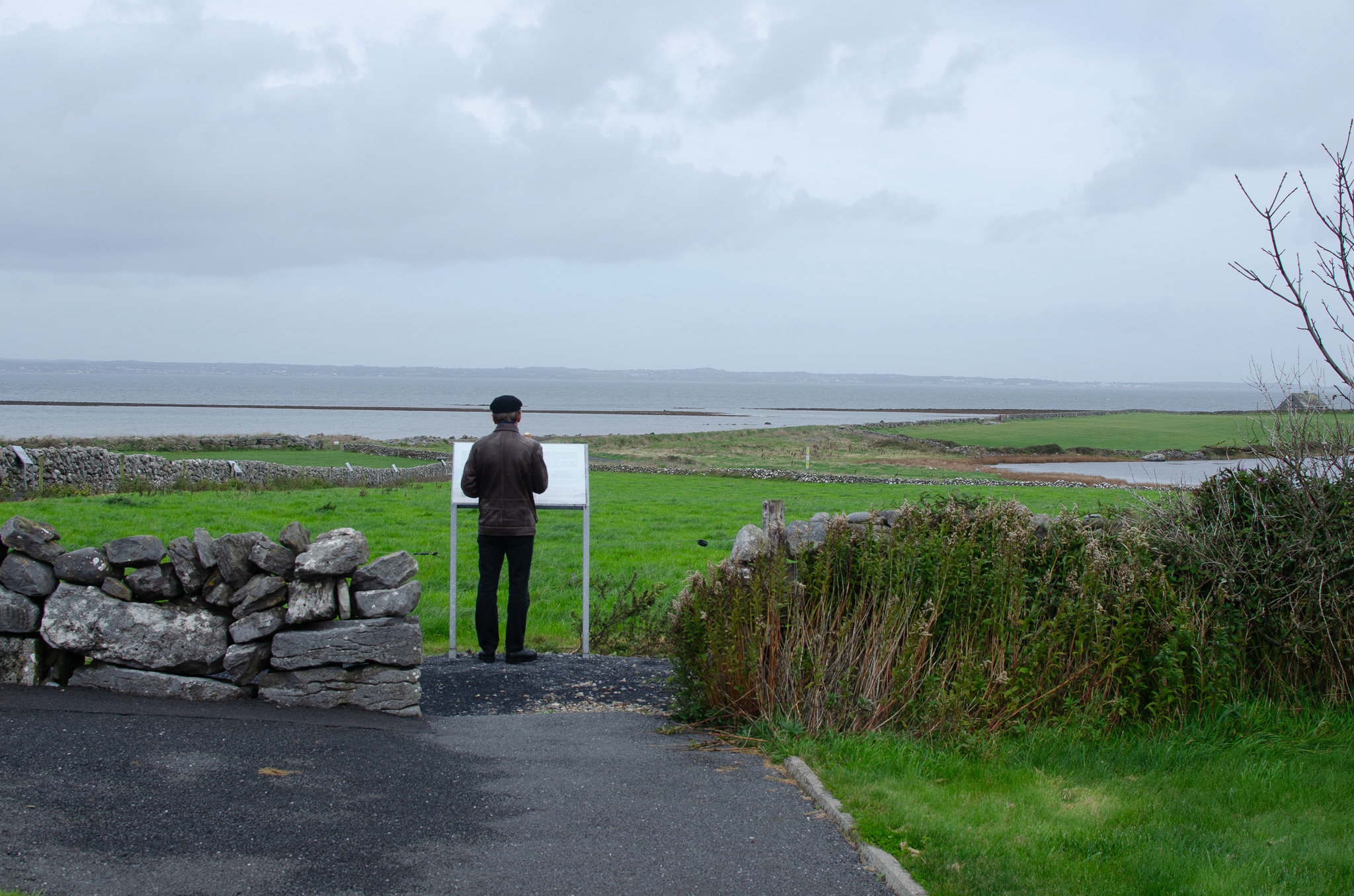
Over the next days, the route led west to the Atlantic coast and the Burren, through stories of families who have reinvented their farms and of women leading innovation in rural Ireland and beyond.
Different ways to bring food closer to people
Each stop showed a different way of shortening the distance between farm and consumer.
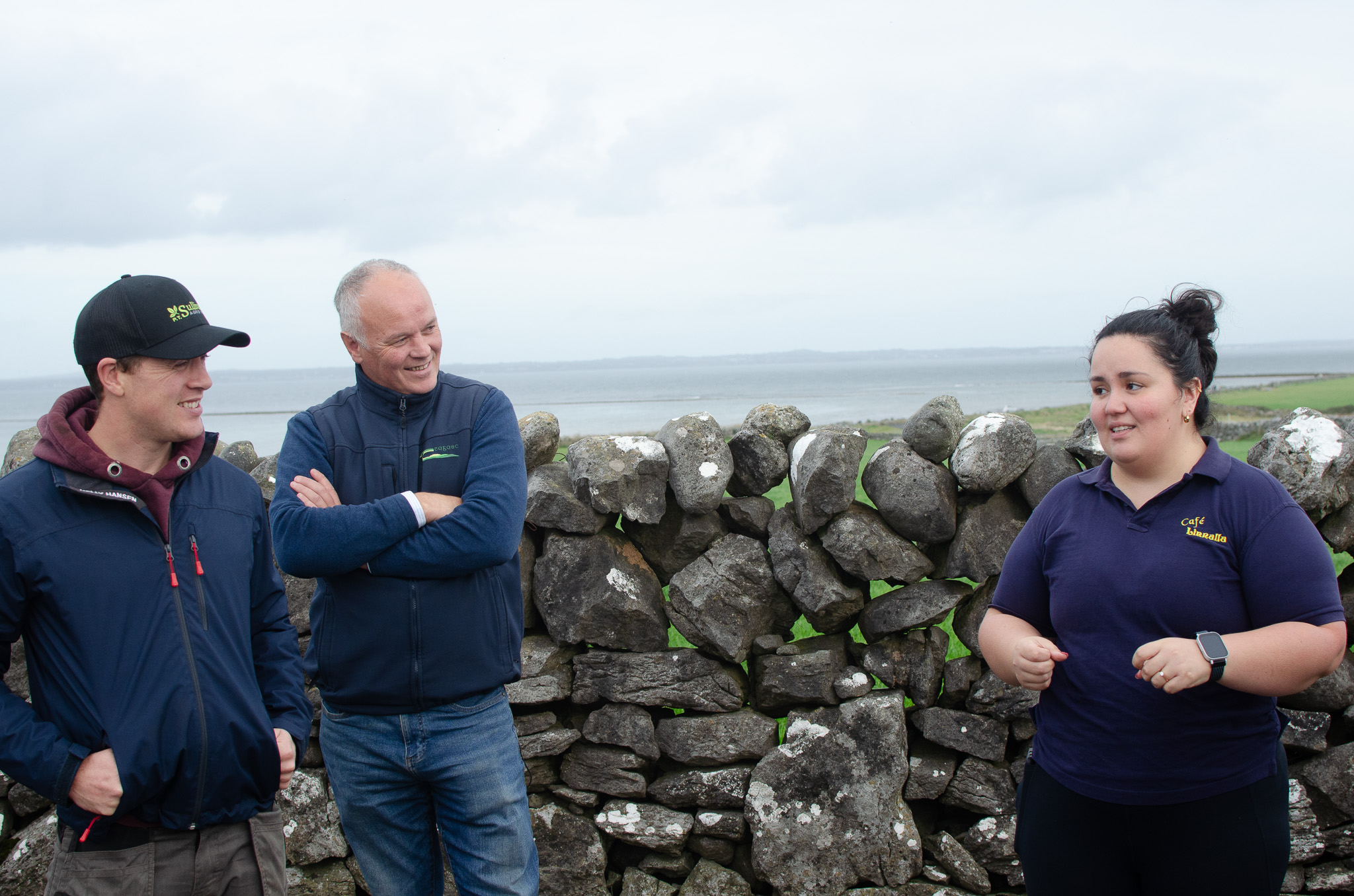
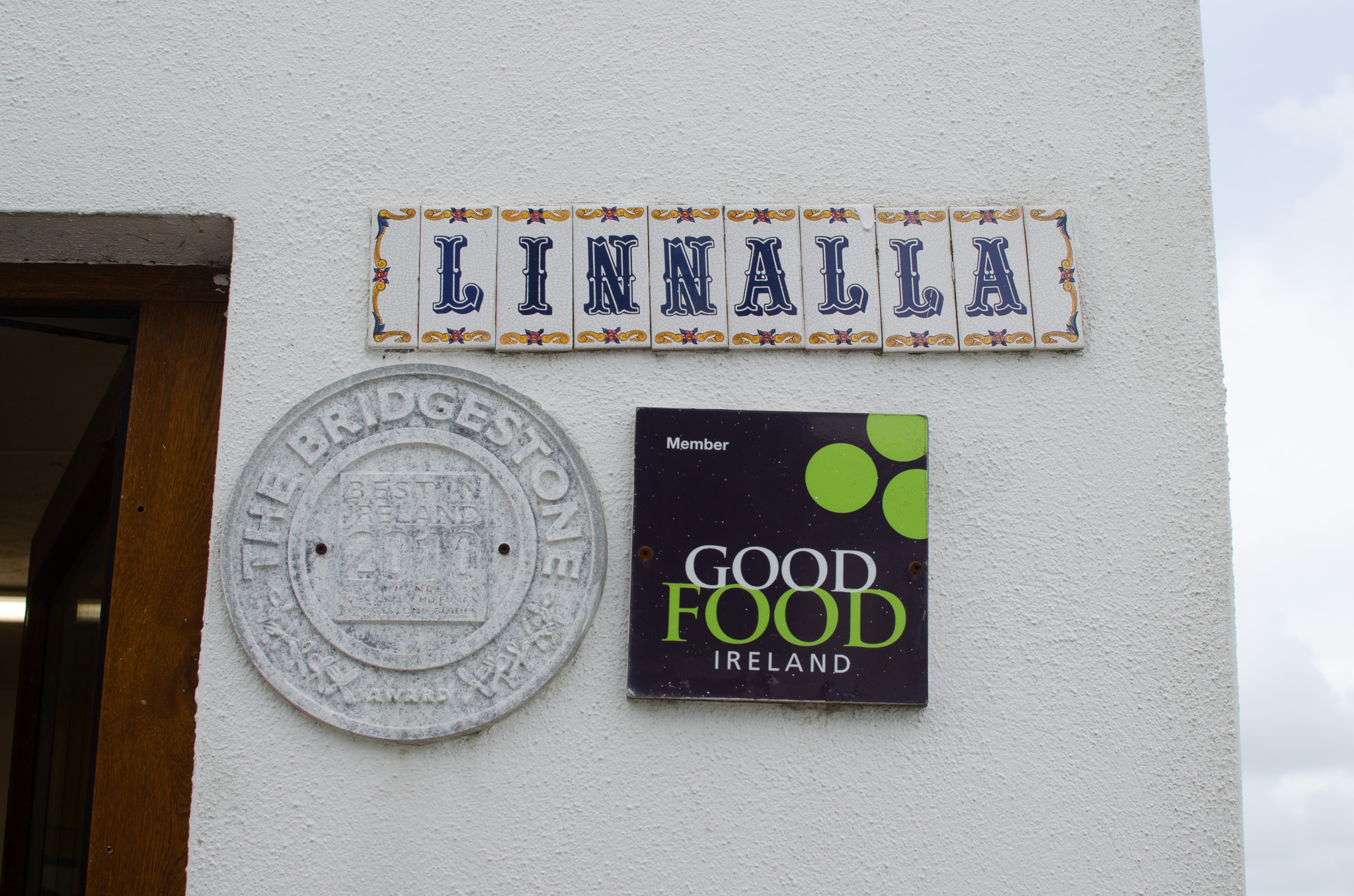
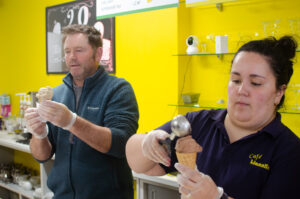
On the west coast, Café Linnalla takes milk from the family’s own herd and turns it into ice cream, served to the visitors who fill the Atlantic coast every summer. One product, made and sold on the spot, keeps the value of the milk within the family.
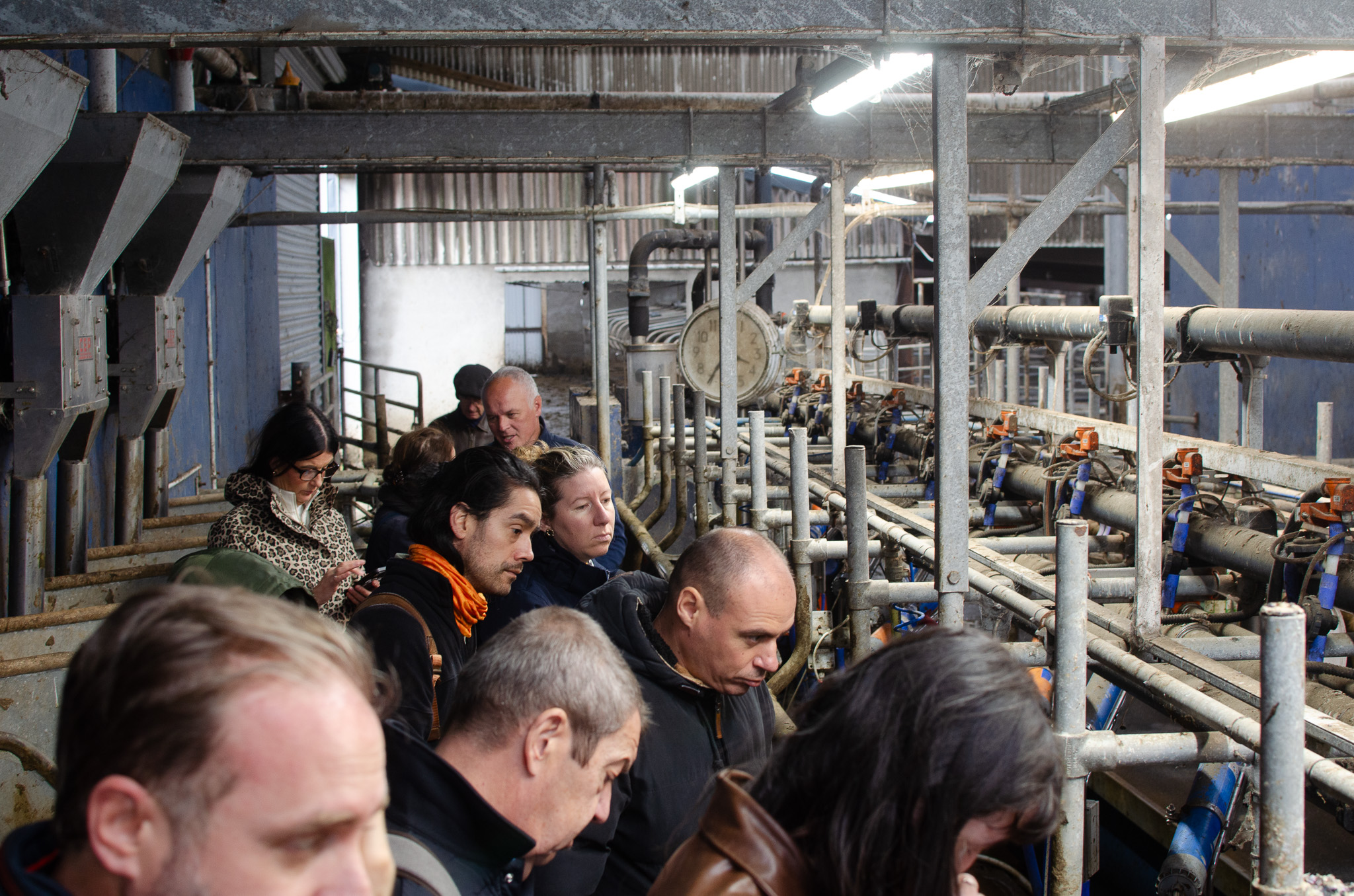
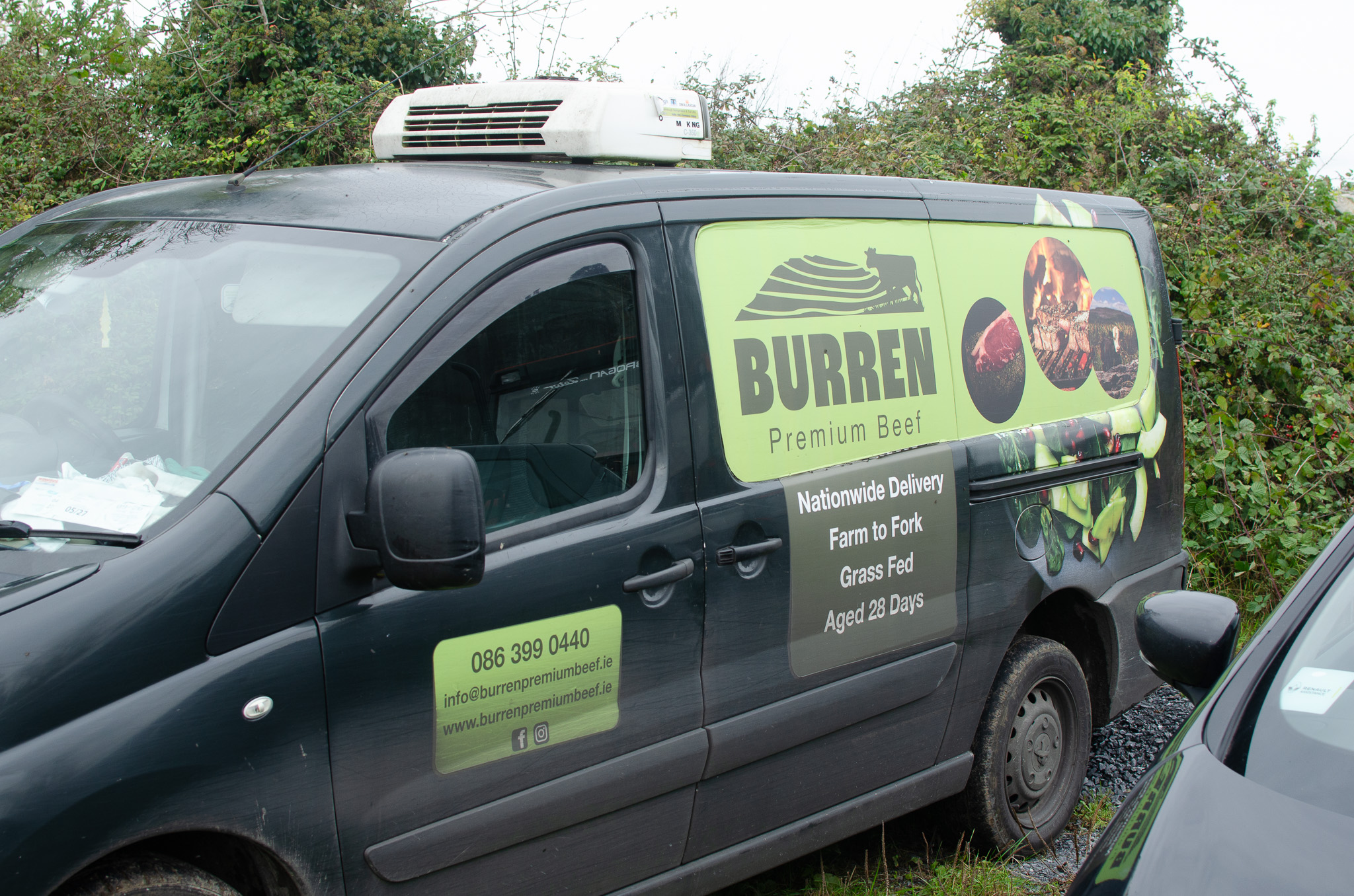
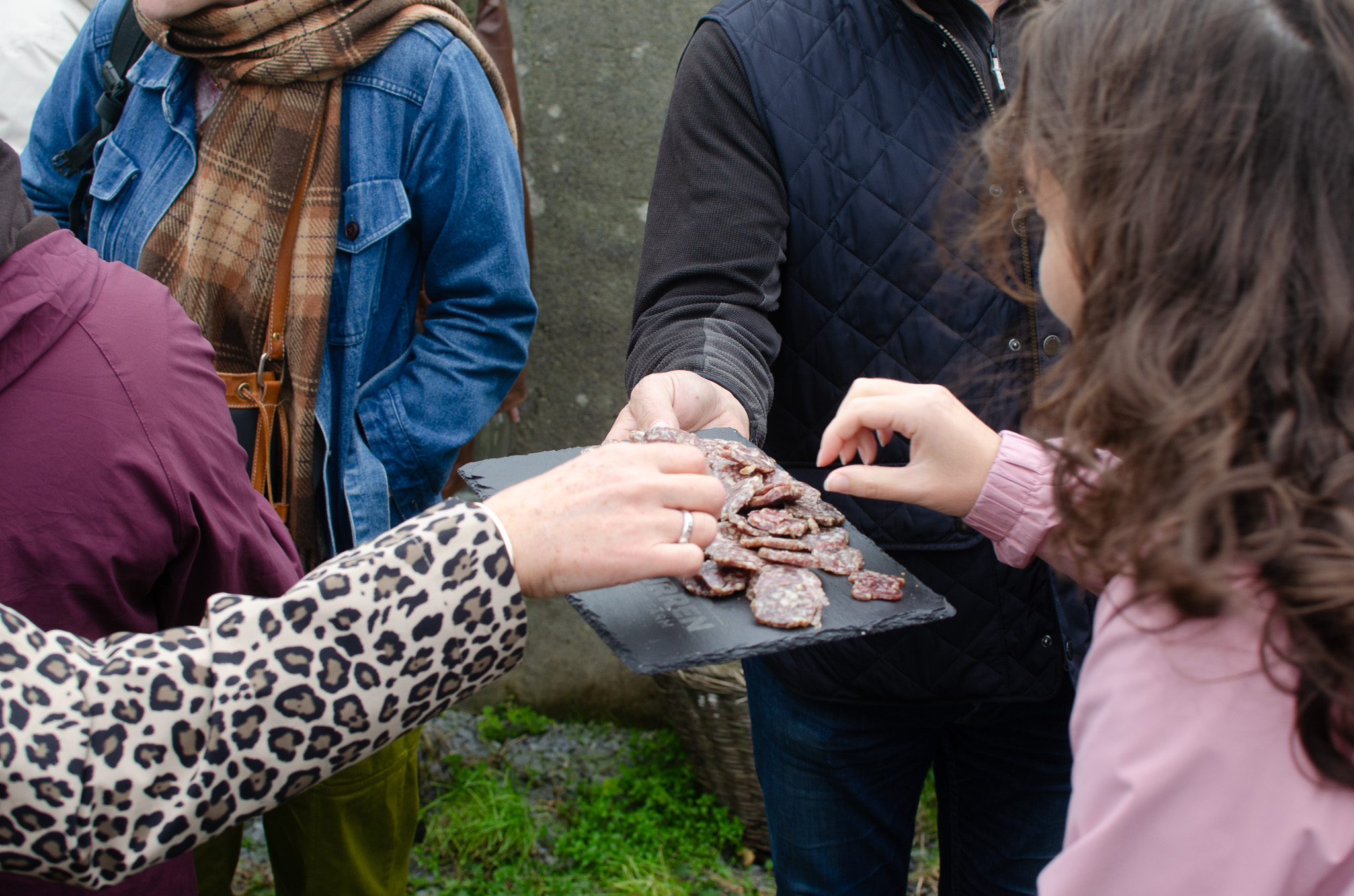
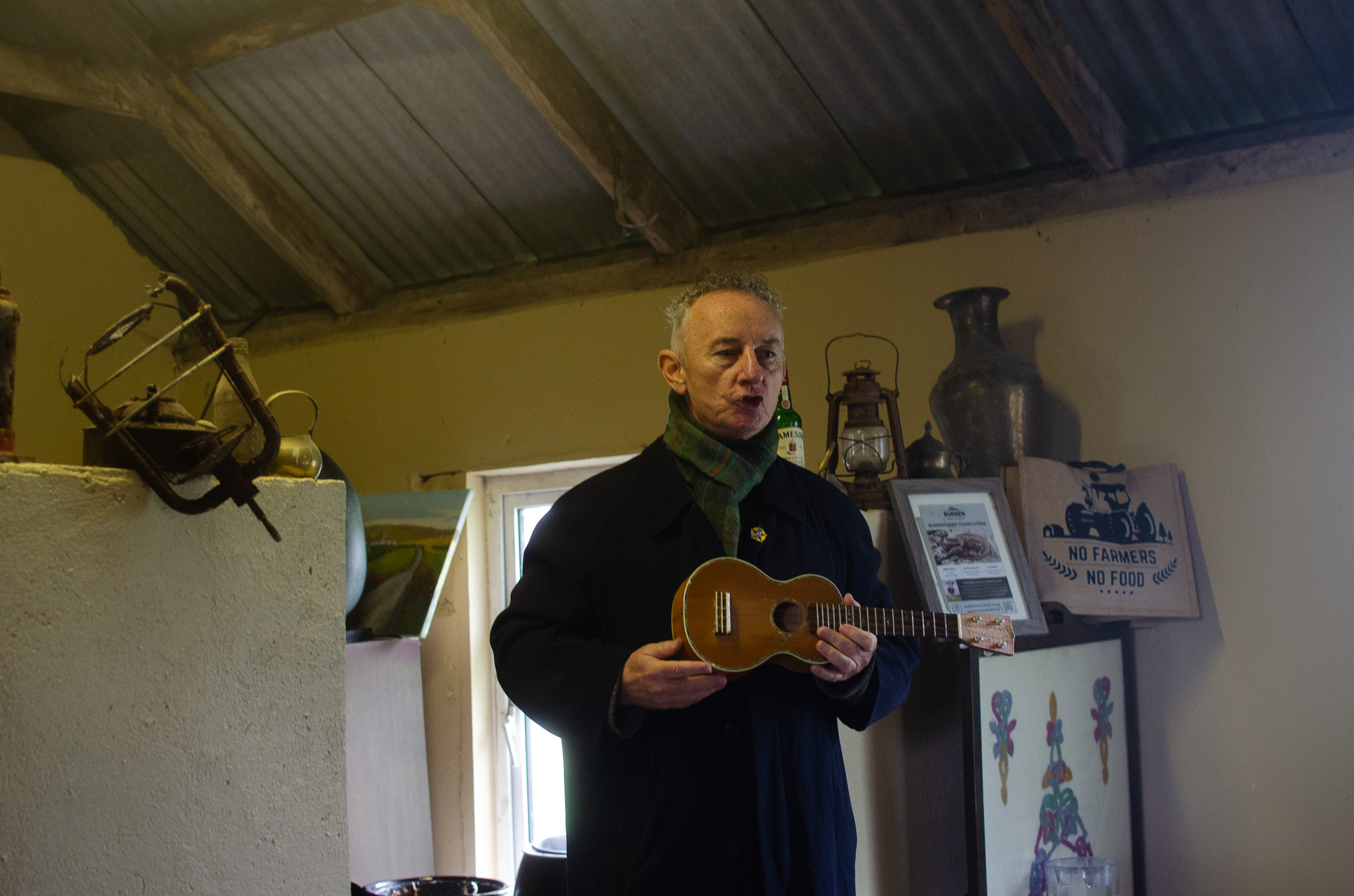
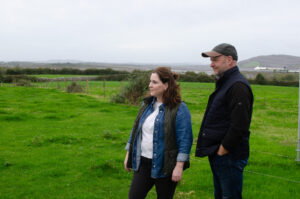
In Co. Clare, Bronagh and Cathal O’Rourke of Burren Beef and Farm Experience, another COREnet Golden Case, explained how they look after land and animals in one of Europe’s most distinctive landscapes. Their cattle graze the lowlands in summer and are out-wintered on the Burren winterage area, a traditional practice that also protects the region’s unique habitats.
Alongside organic beef, the family has opened the farm to the public: visitors can see the farm at work and discover the archaeological features, ancient forest and turloughs on the land, or stay over in bell tents for an agri-camping experience. Sharing the farm with local people and tourists has become part of the business itself.
Teagasc: a reference point for farmers who innovate
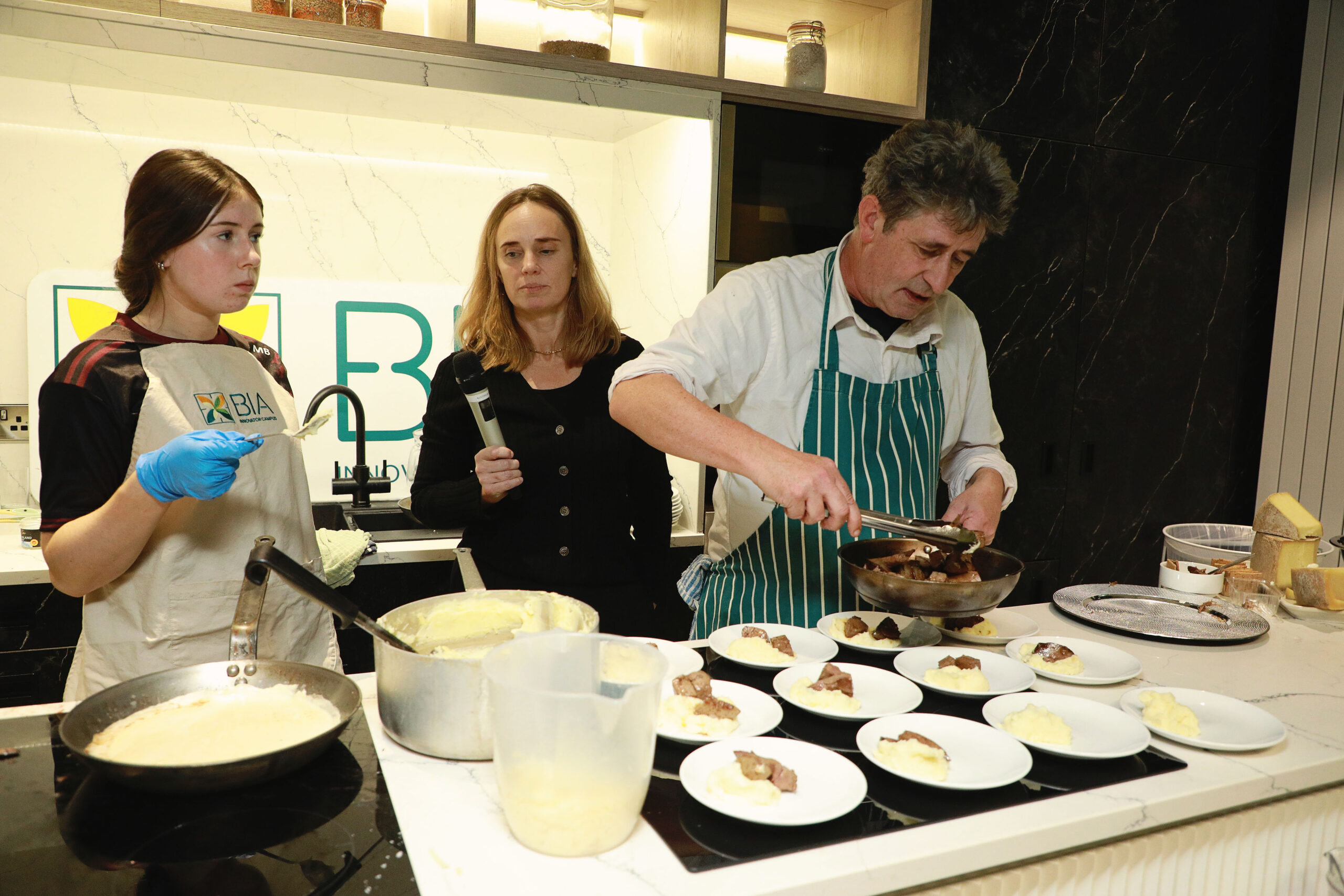
The consortium also visited the BIA Innovator Campus, located on the Teagasc campus in Athenry, Co. Galway.
Opened in 2024 as Ireland’s first national centre of excellence for start-up, micro and small food businesses, it offers food-grade production spaces together with technical, innovation and commercial support, with direct links to Teagasc’s food research. In practice, it gives small producers a place to test new products and grow their business without facing large investments alone.
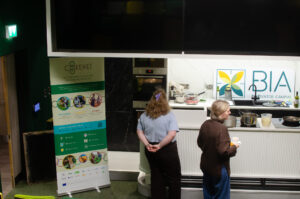
Behind all these stories is a strong support system.
Teagasc emerged throughout the visits as a point of reference for good practice, and the Burren offered a striking example.
Burren Beef and Farm Experience is one of the few commercial beef farms in Ireland that are part of Teagasc’s national research network using Eddy Covariance Flux towers. These instruments continuously measure the exchange of gases between the land and the atmosphere. According to the farm, the first data show that it is a carbon sink: thanks to the way its traditional pastures and soils are managed, its fields absorb more carbon dioxide than the whole farm enterprise releases.
For COREnet, this was a concrete example of how research and advice can help farmers prove, and communicate, the value of what they do on the ground.
Women at the centre of the food chain
The final day brought the Roadshow’s central theme into focus.
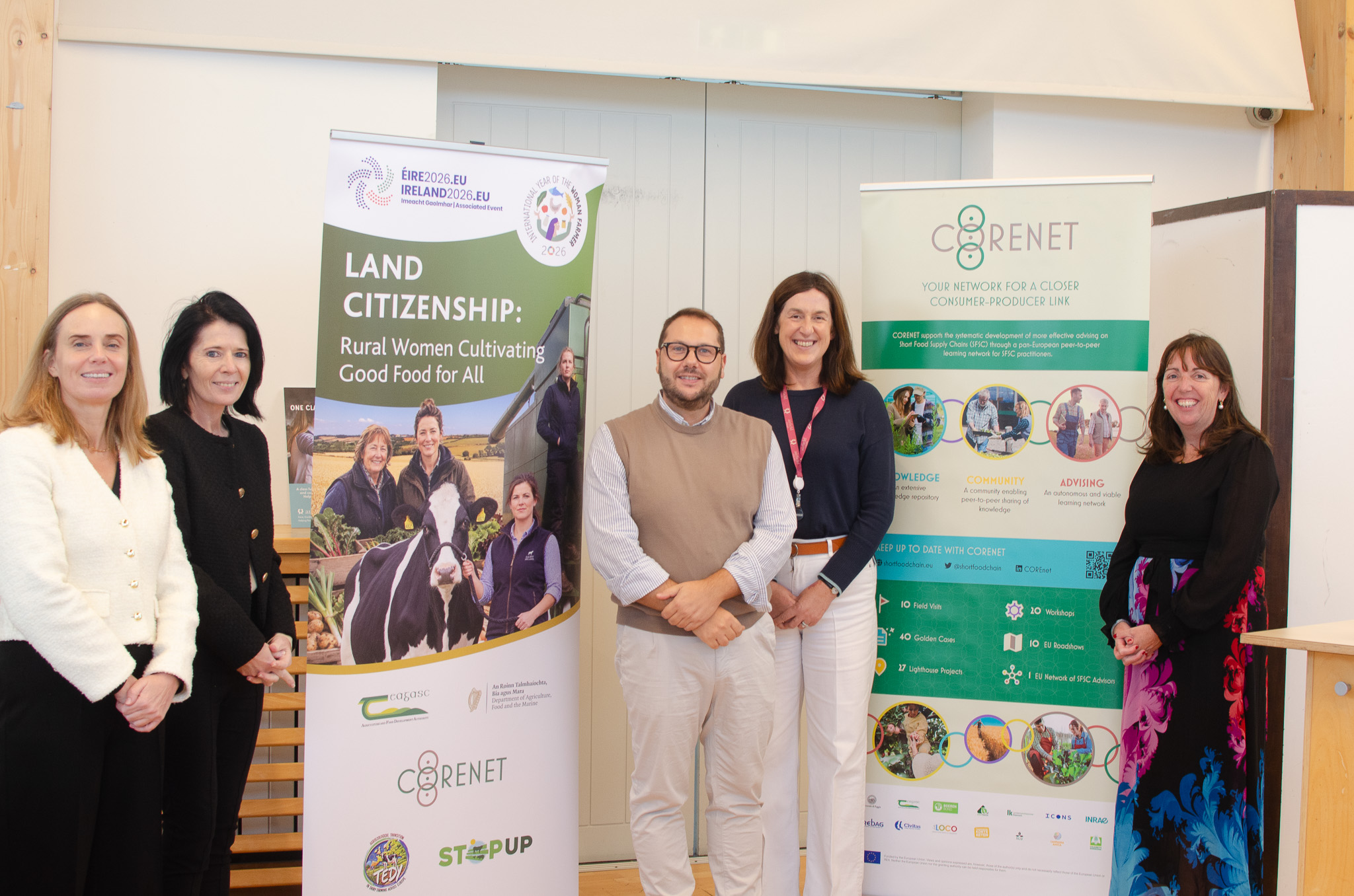
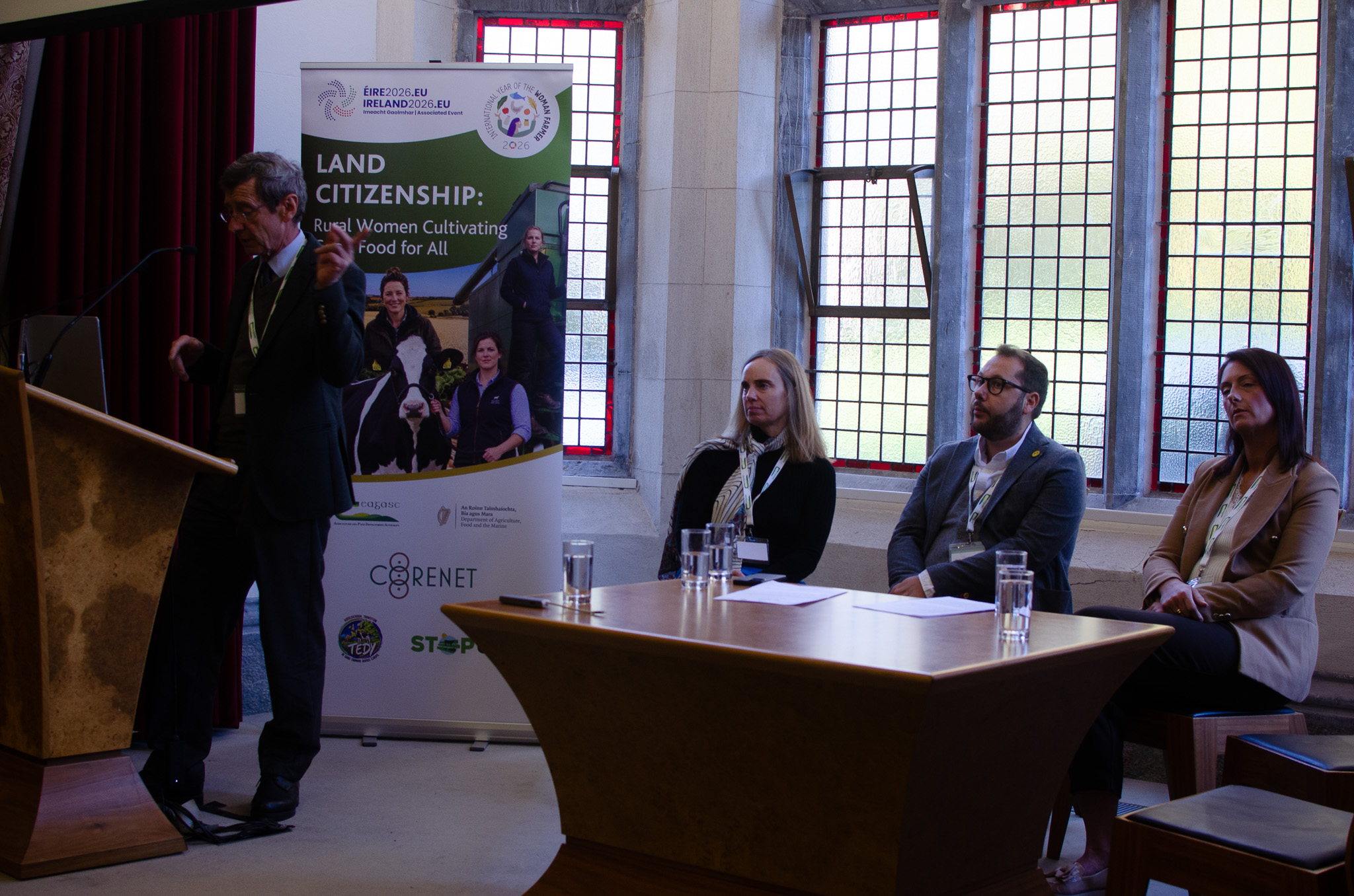
Land Citizenship: Rural Women Cultivating Good Food for All was jointly hosted by the Department of Agriculture, Food and the Marine (DAFM) and Teagasc as an official event of Ireland’s EU Council Presidency. It was organised for the International Day of Rural Women and the UN International Year of the Woman Farmer 2026.
Dr Áine Macken-Walsh, Teagasc Senior Sociologist and COREnet partner, invited speakers to explore the role of women in agriculture and on family farms, looking at it both through history and across the contexts of different countries.
Among the speakers were COREnet Project Manager Fedele Colantuono from the University of Foggia and Christian Jochum from University College of Agricultural and Environmental Education (HAUP).
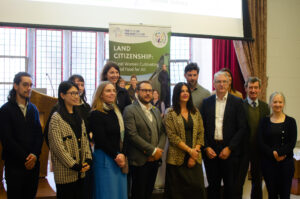
The food served at the event told a short food supply chain story of its own.
Catering was provided by Masterchefs & Ellan Farm from Co. Limerick, the third Golden Case of the Roadshow, which turns the usual supply chain upside down. Masterchefs is a large catering company serving universities, hospitals and sports venues, and it struggled to source high-quality, locally grown organic produce. Its answer was to buy a 20-acre farm and convert it to organic production to supply its own kitchens directly.
Masterchefs handles all transactions, logistics, marketing and transport, so produce goes straight from the field to the chefs, and on this occasion straight to the participants’ plates. Here too, Teagasc played a key role, advising on the viability of the farm and the transition to organic before the business was set up.
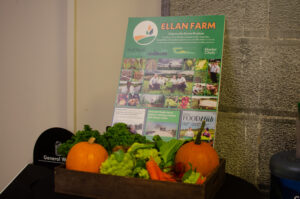
Taking stock as a consortium
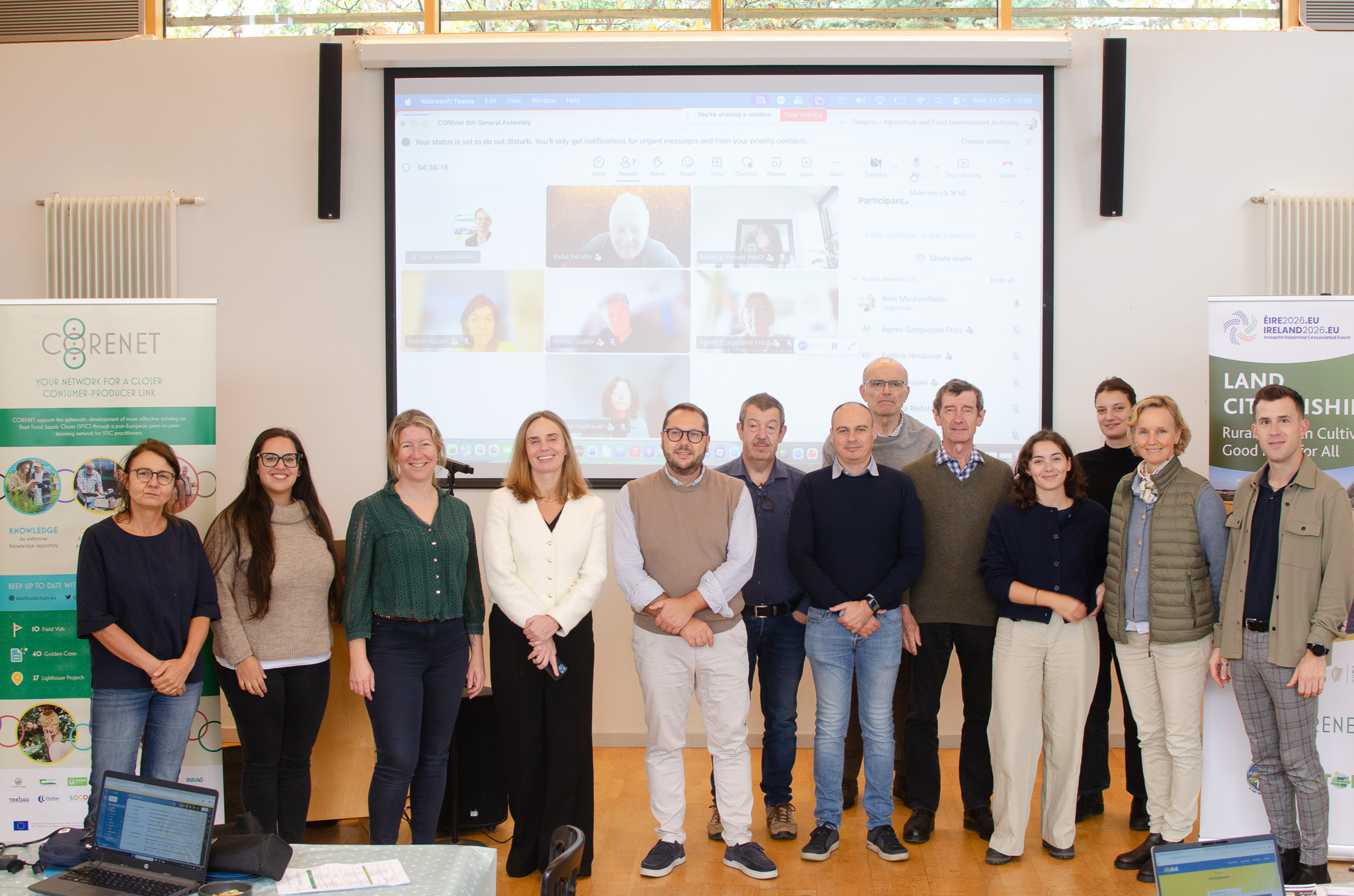
The visit was also an occasion for the partners to work together. At Airfield, the COREnet General Assembly reviewed the project milestones and set the course for the final year.
Open the picture below and scroll through the Roadshow gallery!
Want to be part of the conversation?
Visit the COREnet Advisors’ Corner to explore all our Golden Cases and resources, and join the European Advisory Network for SFSCs to become part of our community.