“FROM FARM TO TABLE TO FARM”: CORENET EUROPEAN ROADSHOW IN GREECE EXPLORES HOW MULTIFUNCTIONAL AGRICULTURE CAN POWER LOCAL FOOD SYSTEMS IN A CIRCULAR WAY
Organised by AGRENAOS on behalf of COREnet, the two-day event in Heraklion, Crete, brought together farmers, advisors, researchers and entrepreneurs to explore how multifunctional agriculture can strengthen short food supply chains.
On 16 and 17 June 2026, Heraklion hosted one of COREnet’s European Roadshows, built around a question with growing resonance: how can multifunctional agriculture support short food supply chains?
Organised by AGRENAOS on behalf of the COREnet project, in collaboration with the CAP4YOU project, the event featured a comprehensive programme including a webinar, a workshop and field visits to two Cretan short food supply chain (SFSC) initiatives, notably Peskesi Organic Farm, a COREnet Golden Case. The event brought together farmers, advisors, researchers, entrepreneurs and other SFSC stakeholders from Greece and across the EU.
Day one: Field and online visits
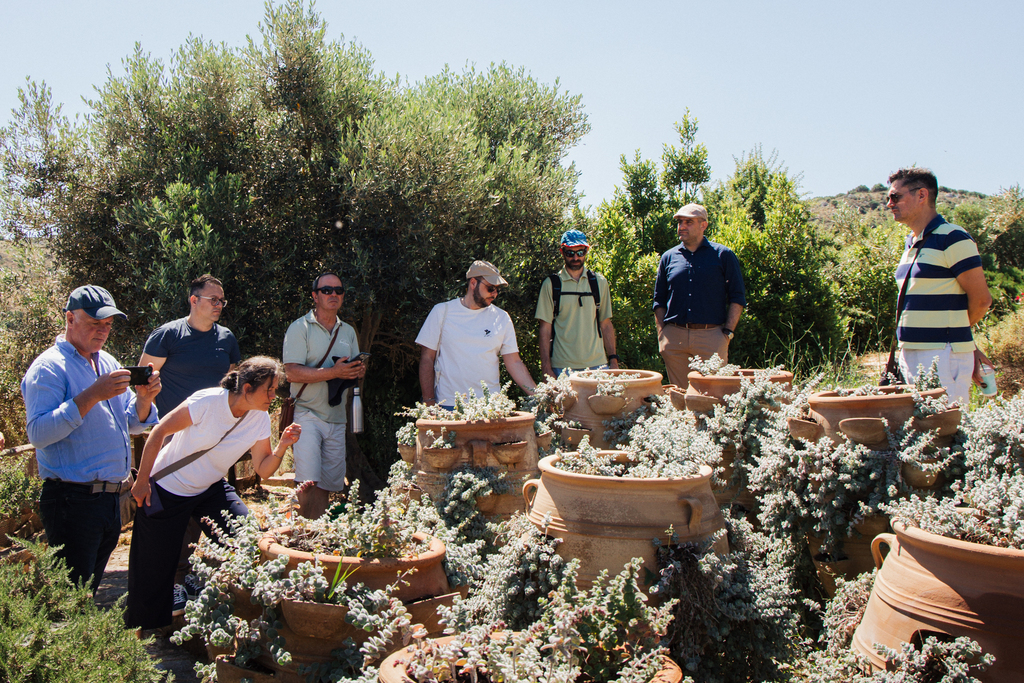
The first day was dedicated to practical learning and international exchange. Participants visited two Cretan SFSC initiatives: Peskesi Organic Farm, a COREnet Golden Case from Greece, and the family-run Garakis Winery in the Kounavoi region of Peza.
At Peskesi, owner Panagiotis Magganas presented the farm’s distinctive “farm-to-table-to-farm” closed-loop model: a vertically integrated SFSC built around an internationally recognised restaurant, sourcing from a network of local producers, running farm tours and cooking classes, and returning organic waste to the land – a strong example of the circular economy.
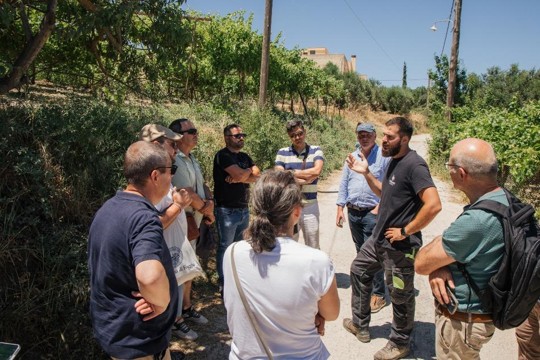
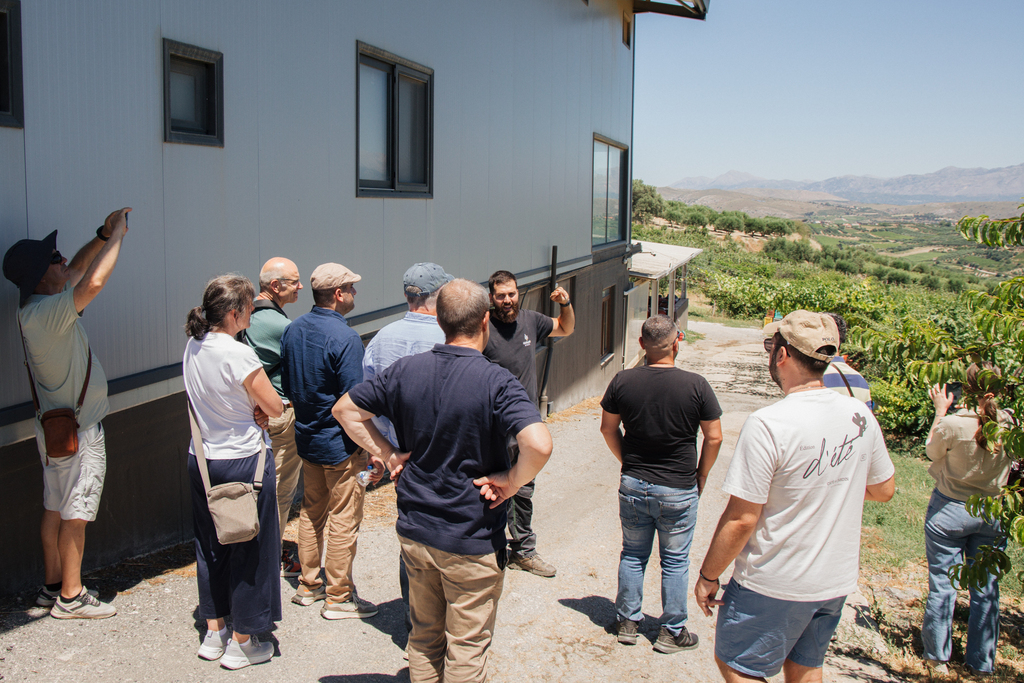
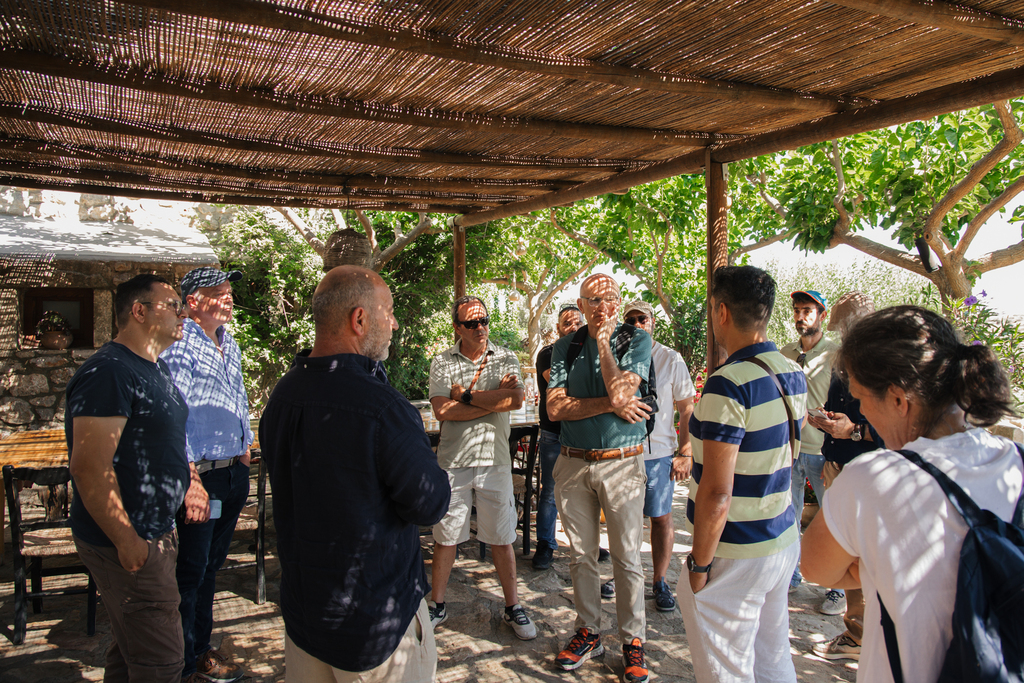
Field visit to Garakis Winery, 16 June 2026
At Garakis Winery, brothers George and Drakos Garakis shared the story of a single-actor SFSC with almost zero intermediaries. The family grows, vinifies, bottles and sells its organic wines and raki directly through tastings and on-site sales.
In the afternoon, a three-hour webinar was organised in collaboration with the CAP4YOU project under the title “The Role of Short Food Supply Chains in Transforming Food Systems and Strengthening Farmers’ Position in Value Chains”.
The webinar presented the COREnet project and its contribution to the development of SFSCs. It also explored the role of agricultural advisors in supporting these supply chains, their expected place in the next Common Agricultural Policy, and good practices developed across Europe through contributions from experts.
More than 200 advisors registered for the webinar, with over 100 participants following it online. The recording is available here.
Day two: Workshop on multifunctional agriculture at HMU
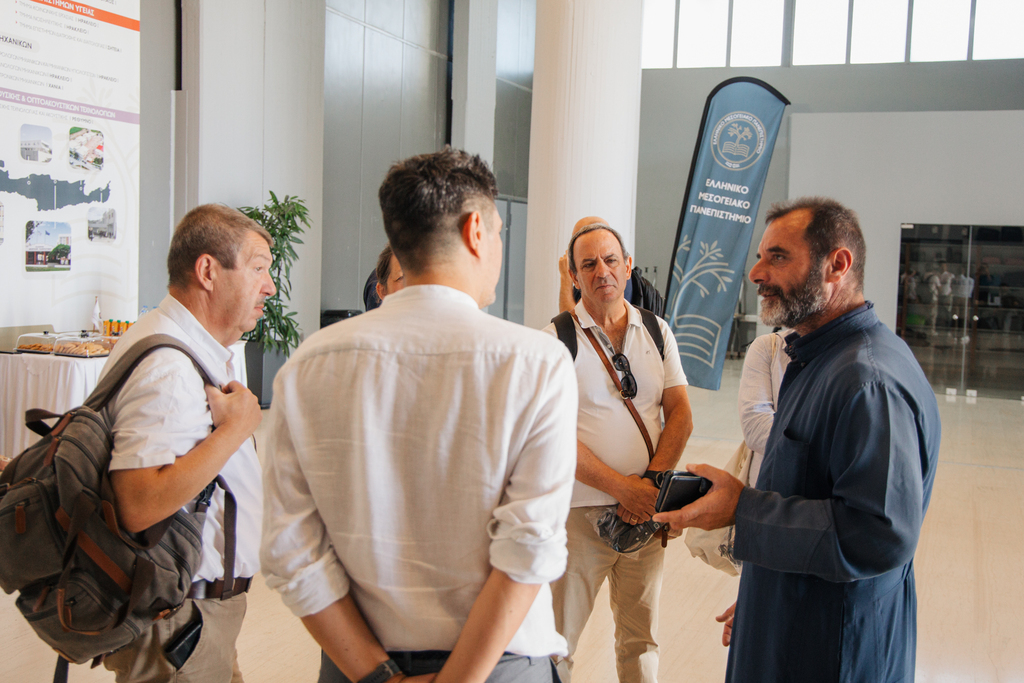
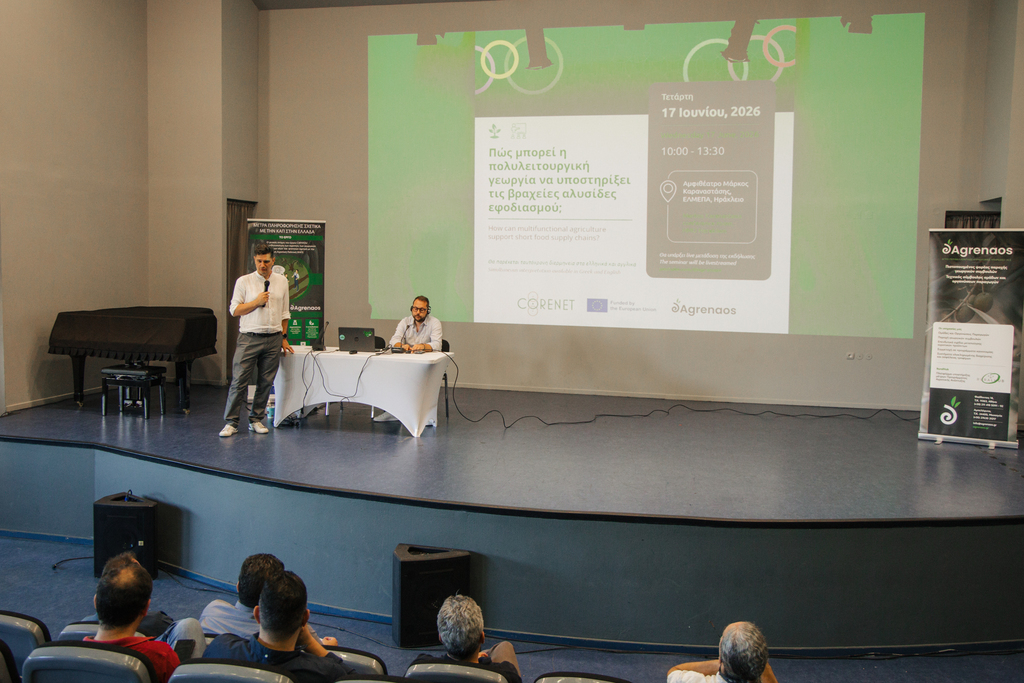
The second day moved to the “Markos Karanastasis” Amphitheatre at the Hellenic Mediterranean University for the national workshop, “How Can Multifunctional Agriculture Support Short Food Supply Chains?”. Participants attended both in person and online, with presentations delivered in Greek and English. The workshop was also livestreamed on YouTube and can be watched here.
True to COREnet’s multi-actor approach, the workshop brought together farmers, advisors, researchers, entrepreneurs, educational institutions and other stakeholders. Case studies and presentations from Belgium, Cyprus, Greece and Hungary – including the COREnet Golden Case “Zala Valley” – fuelled discussions on advisory services, multifunctional agriculture and successful SFSC initiatives. Participants also addressed remaining challenges, from regulatory and certification requirements to market-access barriers and the need to raise consumer awareness of local food systems.
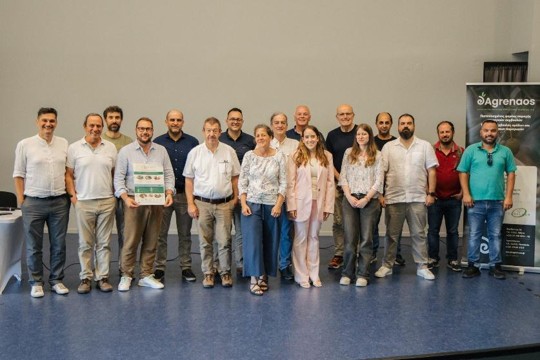
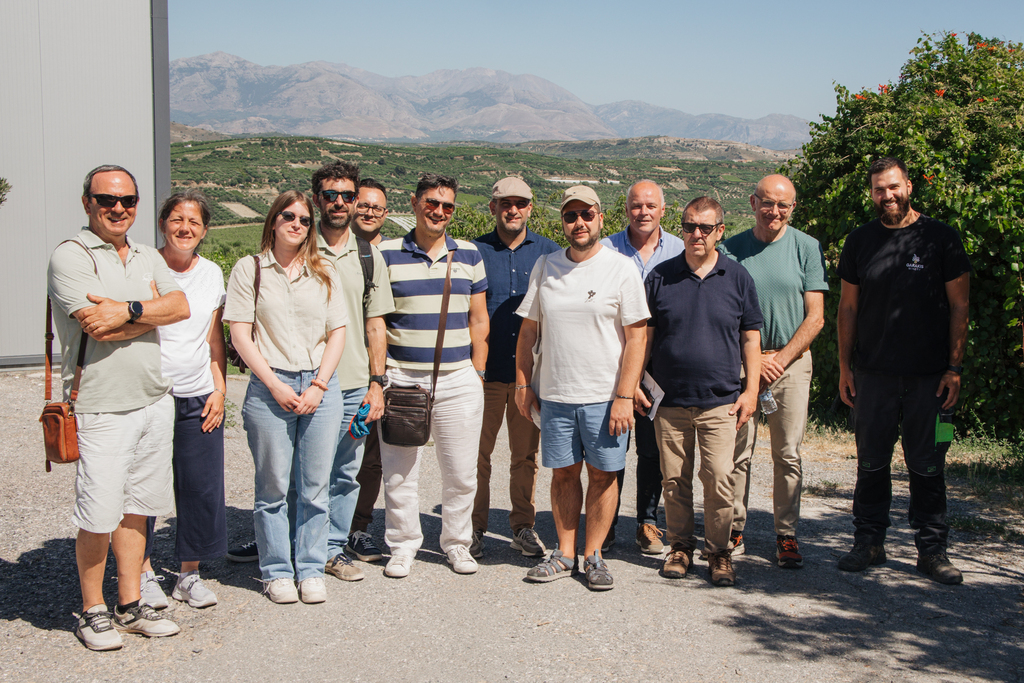
Group photo following the workshop, 17 June 2026
Multifunctionality as an opportunity – and the advisor’s role
The Heraklion Roadshow grounded policy discussions in real-world experience. The two field visits showcased contrasting yet complementary approaches: a vertically integrated, restaurant-led SFSC and a small family winery focused on direct sales.
Despite their different business models, both highlighted the crucial role of advisors, agronomists, sustainability consultants, marketing professionals and certified sommeliers. These professionals support activities ranging from organic certification and cultivation practices to branding and the promotion of Cretan gastronomy and culture.
The visits also demonstrated how multifunctional farming can serve as a valuable strategy, with SFSCs playing a key role in enabling and strengthening diversified agricultural activities.
Participants gained transferable insights into the value of combining theory with on-site practice, the power of local sourcing and customer relationships, and the potential of agritourism and experiential offerings to diversify farm income.
They also confronted challenges including climate pressures on Mediterranean production, rising input costs, limited access to funding for small producers, and the difficulty of engaging time-pressed and ageing farming populations in networking events.
The event strengthened existing partnerships, created new professional connections and contributed directly to expanding the European Advisory Network for SFSCs – a long-term ambition at the heart of COREnet – with new advisors registering from Greece.
Scroll through the gallery to see all the pictures
The Roadshow concluded in Crete having achieved its primary objectives: connecting people who rarely sit at the same table, showcasing working models of multifunctional agriculture, and feeding practical, field-tested insights into the European Advisory Network for SFSCs.
See the Crete Roadshow on video!