EUROPEAN ROADSHOW HIGHLIGHTS THE FUTURE OF LOCAL FOOD SYSTEMS IN MAGYARNáNDOR
On May 14, 2025, more than 100 experts, consultants, and policymakers gathered for the European Road Show (ERS) and Short Food Supply Chain (SFSC) Organizers’ Day, hosted by the TREBAG team
Article by Ágnes Fricz
The event underscored the role of rural communities as both venues and drivers of innovation in local food systems. Alongside the professional program, the Hungarian National Rural Network’s farmers’ fair showcased products from 18 local producers, while catering featured exclusively local ingredients – bringing the event’s theme directly to the table.
Opening speeches emphasized the economic, social, and cultural importance of connecting producers with conscious consumers. Speakers from Hungarian institutions and the European Commission highlighted the need for stronger advisory systems, generational renewal in farming, and people-centred digital tools.
Morning presentations focused on developing the European network of SFSC advisors, integrating them into agricultural knowledge systems, and supporting small farmers through training and digitalisation. Roundtable discussions revealed challenges such as weak marketing, farmer burnout, and the need for customer education. Yet participants agreed the future looks bright: demand for local products is growing, and SFSCs are strengthening community ties.
International partners from Belgium, France, Portugal, and Romania shared inspiring good practices. These ranged from Belgian farmers diversifying into ice cream production, to French open-air markets that double as community hubs and knowledge-sharing spaces. The event concluded with a clear message: short food supply chains thrive on trust, cooperation, and innovative advisory services—ensuring that local products continue to play a central role in sustainable rural development across Europe.
Portuguese, Romanian and Hungarian Experiences Enrich COREnet’s European Roadshow
The international session of the Magyarnándor event also featured insights from Portugal and Romania. Artur Filip Gregório shared how Portuguese consultants support farm diversification through holistic management, agro-tourism, and the Mediterranean diet, while Judith Molnár presented a Romanian good practice on developing a local product food hub.
Closing the conference, Patricia Mora (Innogestiona Ambiental, Spain) summarized the next steps for strengthening the SFSC advisory network and highlighted opportunities for cooperation between COREnet and EU4Advice project partners. The full set of presentations is available online here.
On May 15, participants joined the Hungarian Field Visit organized by TREBAG, showcasing two national “Golden Cases” in short food supply chains.
Zala Valley Open Farms were presented by Tibor Szabó, who explained how the network grew to 38 members by 2024. Since its creation in 2018, the initiative has offered practical training in marketing, communication, and legal compliance, along with study tours and personalized mentoring for local producers.
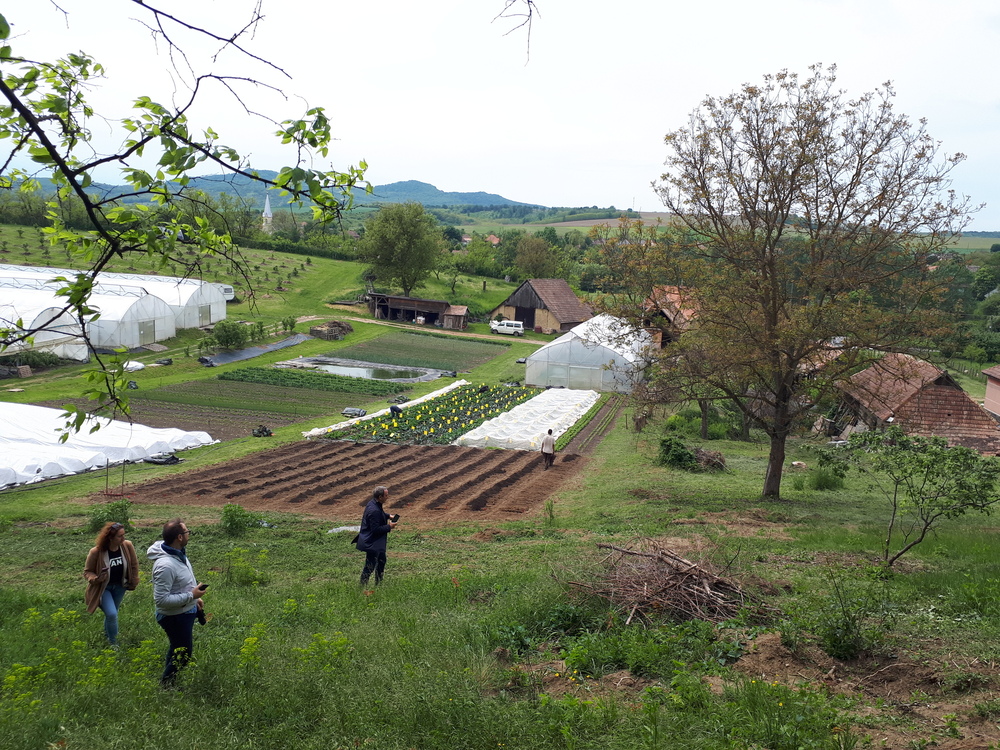
The following personal visit highlighted SeedsValley (MagosVölgy) in Terény, founded in 2013 by Zoltán Dezsény and his wife. Operating on a community-supported agriculture (CSA) model, SeedsValley provides weekly organic produce to its members while also mentoring farmers in vegetable production, farm management, and sales. During the visit, participants toured the horticultural area, learned about production and organizational practices, and enjoyed meals prepared entirely from local ingredients.
The field visits offered both theoretical insights and hands-on experience, reinforcing the central role of advisory services and community cooperation in building resilient local food systems.
Photo credits TREBAG