FROM ROUNDTABLE TO GOLDEN CASES VISITS: CORENET SECOND EUROPEAN ROADSHOW HIGHLIGHTS
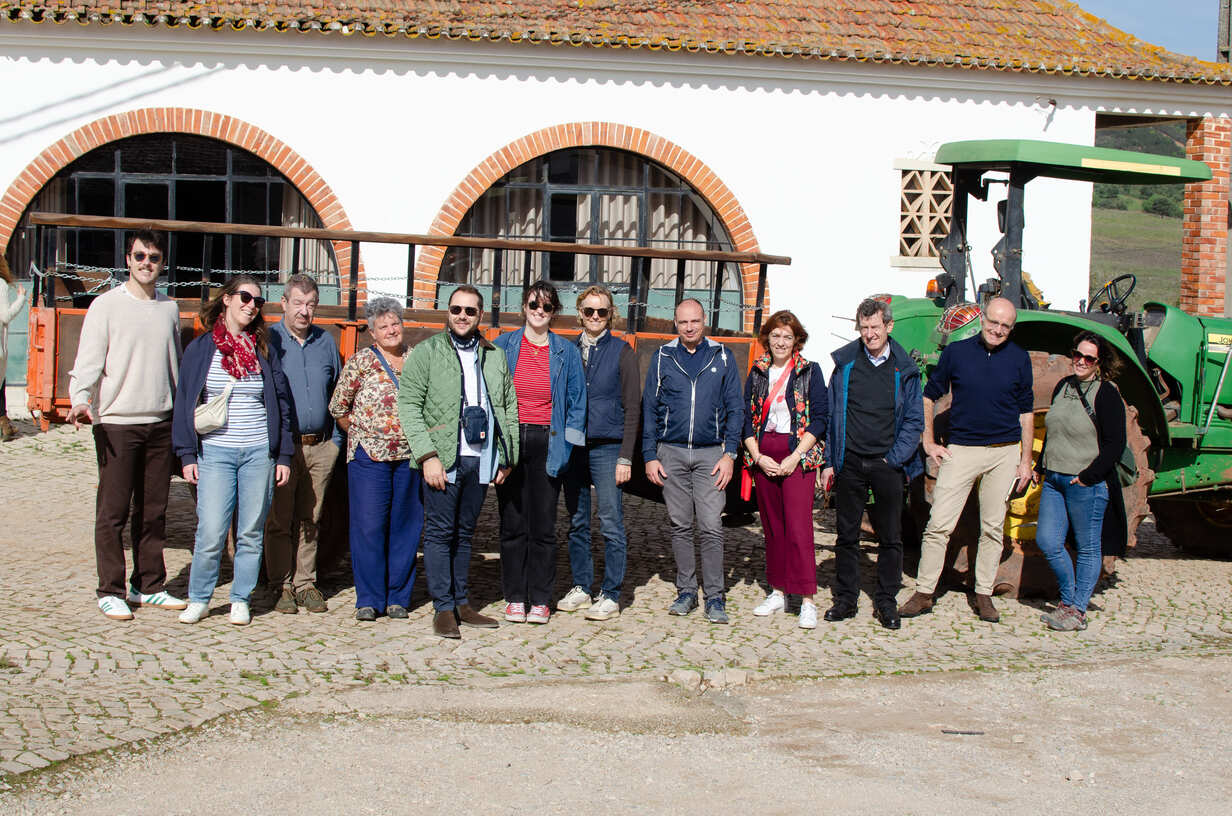
Hosted by InLoco, the CORENET team has spent two inspiring and fruitful days in Faro, Portugal, for the second project European Roadshow.
Last week, a new stage of the COREnet European Roadshow took place in Faro (Portugal) to explore the local SFSC advisory system and get in touch with inspiring initiatives in the Algarve region agrifood supply chain.
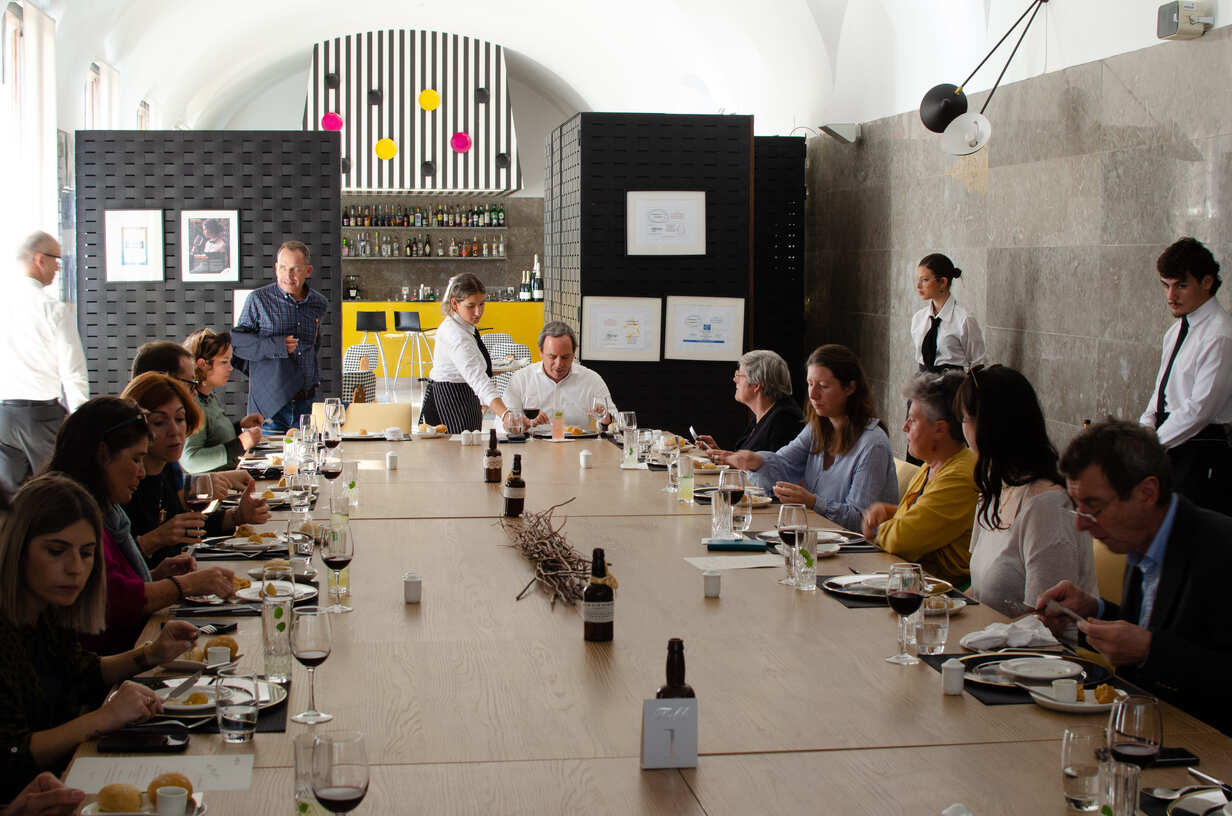
The first stop of the roadshow was at the Algarve School of Hospitality and Tourism, located in a historical former convent called “Convento do San Francisco”, where a round table discussion brought together different experts in the field: Patricia Mora, Coordinator of EU4Advice project and Key National Contact Point for Spain in the context of COREnet, Pedro Valadas Monteiro, Vice-president of the Regional Coordination Commision – Agriculture and Fisheries, Denise Gomes, Nutritionist, in representation of the Municipality of Faro, and Fedele Colantuono, COREnet project’s Manager. The experts explored how advisors can contribute to strengthening local supply chains and small producers’ competitiveness, particularly in sustainable activities and public procurement programs to promote local products in schools canteens and diversify toward new marketing opportunities. During the discussion, different aspects and updates on the crucial role of advisors and gaps in supply chains among participants and project members were shared, also involving the KNCPs representatives who joined the meeting online.
Insightful points were shared by the Representative of the Region Pedro Monteiro, about the importance of local food systems and agricultural products of the Algarve Region. The actual status is represented mainly by many small and family farms working for local markets, restaurants and initiatives related to tourism activities. He introduced the key role of local associations to revitalise inner markets, also with the good example of the RevitAlgarve project developed to promote and valorise local production. He mentioned the need of certification schemes to simplify some procedures for selling products also to collective restorations (municipalities, schools, etc.) and to solve gaps with local legislations, to comply with the public contract for procurements. In this term it was underlined the support of advisors on how to make the policymakers to create better rules.
This was also confirmed by the Nutritionist Denise Gomes, given the main challenge to change politics for public procurement, moving from cost approach to local and quality of food selected. Schools should have better diet and food programs to use good quality foods, knowing origins. The role of advisors is important on the connection between farmers and public procurement to support on documents preparation and lack of monitoring for product quality in public procurement, since there are other factors involved as social and environmental.
In conclusion, from the roundtable emerged that something new and more attractive should be created to engage farmers in becoming active on SFSC selling and specialised for replying to local communities needs.
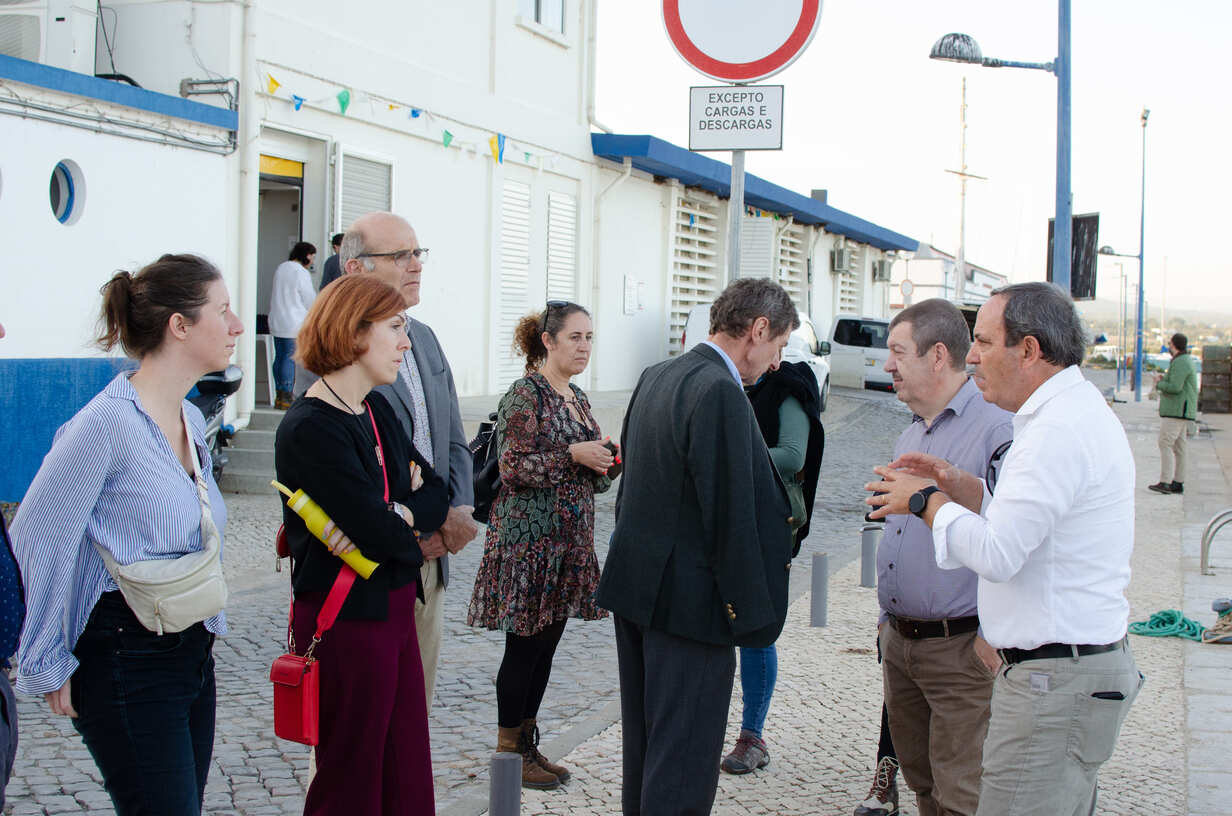
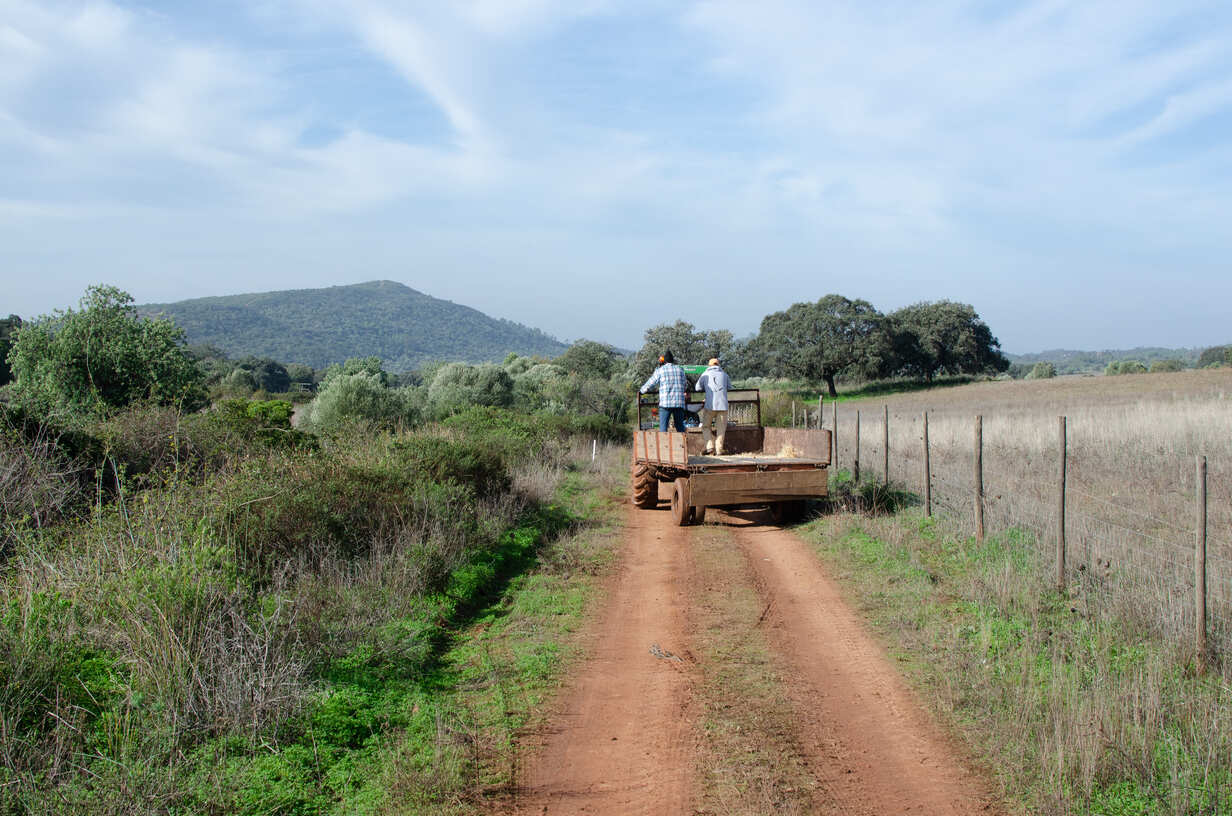
These days also featured field visits to two Portuguese nominee Golden Cases: Cabaz Fresco da Mar facilities, located in a small village along the Algarve coastline named Fuseta and Quinta do Freixo situated in Benafim, in the heart of the Algarve inland.
Cabaz Fresco do Mar
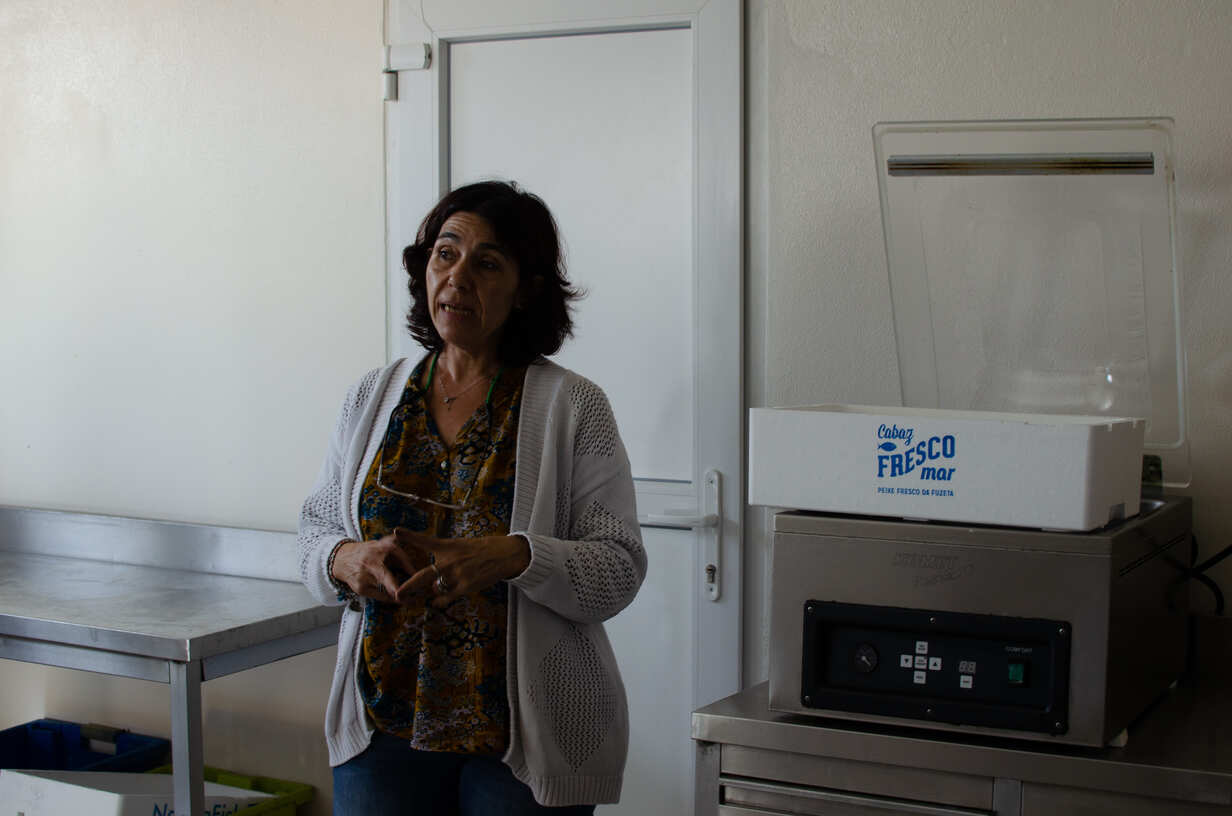
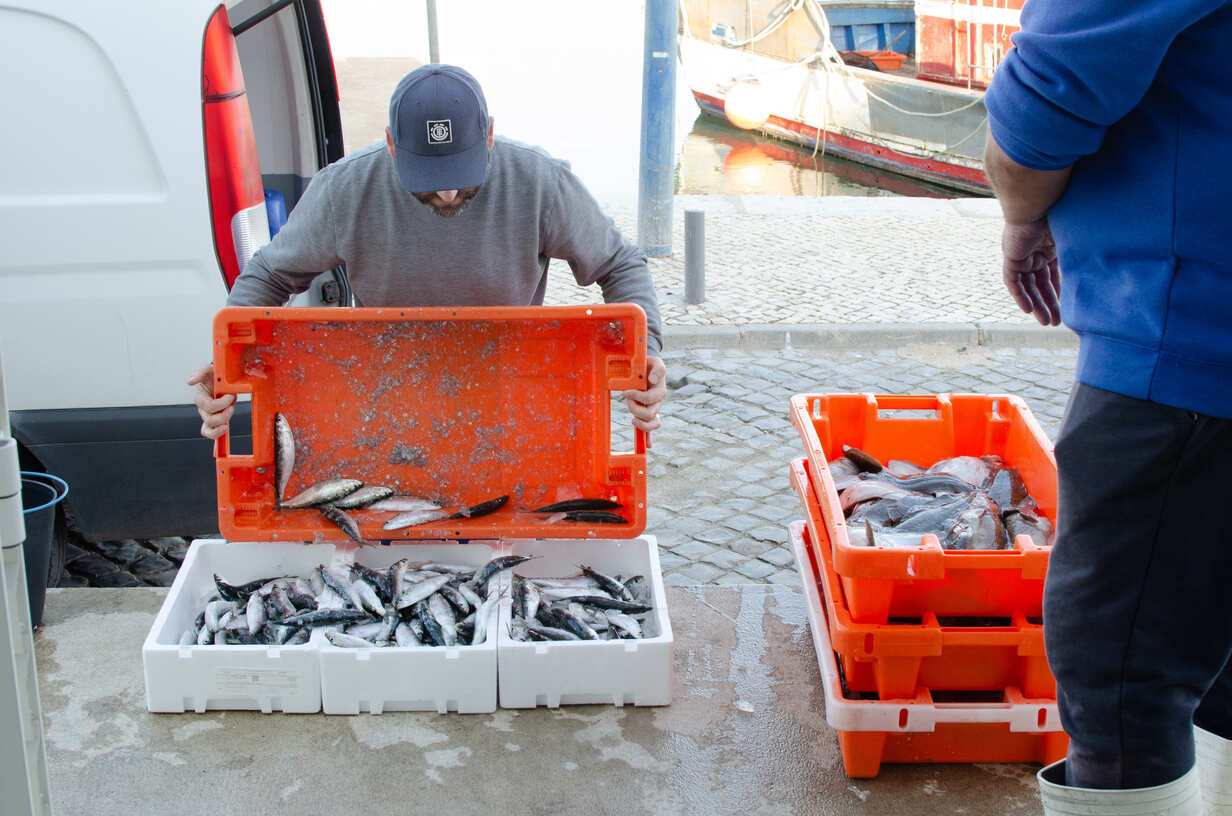
This local NGO works directly with fishermen to reduce food waste and promote local fish consumption. As explained by Sónia Olim, passionate marine biologist and Director of this initiative, they collect unsold fish from fishermen, and offer varieties not typically found in markets due to their appearance or difficulty in preparation. The NGO helps raise awareness about these lesser-known fish, offering a subscription-based service where local residents can choose and receive fresh fish delivered to their doorstep. The initiative aims to promote sustainable, low-impact fishing practices while introducing local communities to new, nutritious seafood options, very healthful for the Mediterranean Diet. The organization also offers cooking workshops to teach locals how to prepare these fish in various dishes.
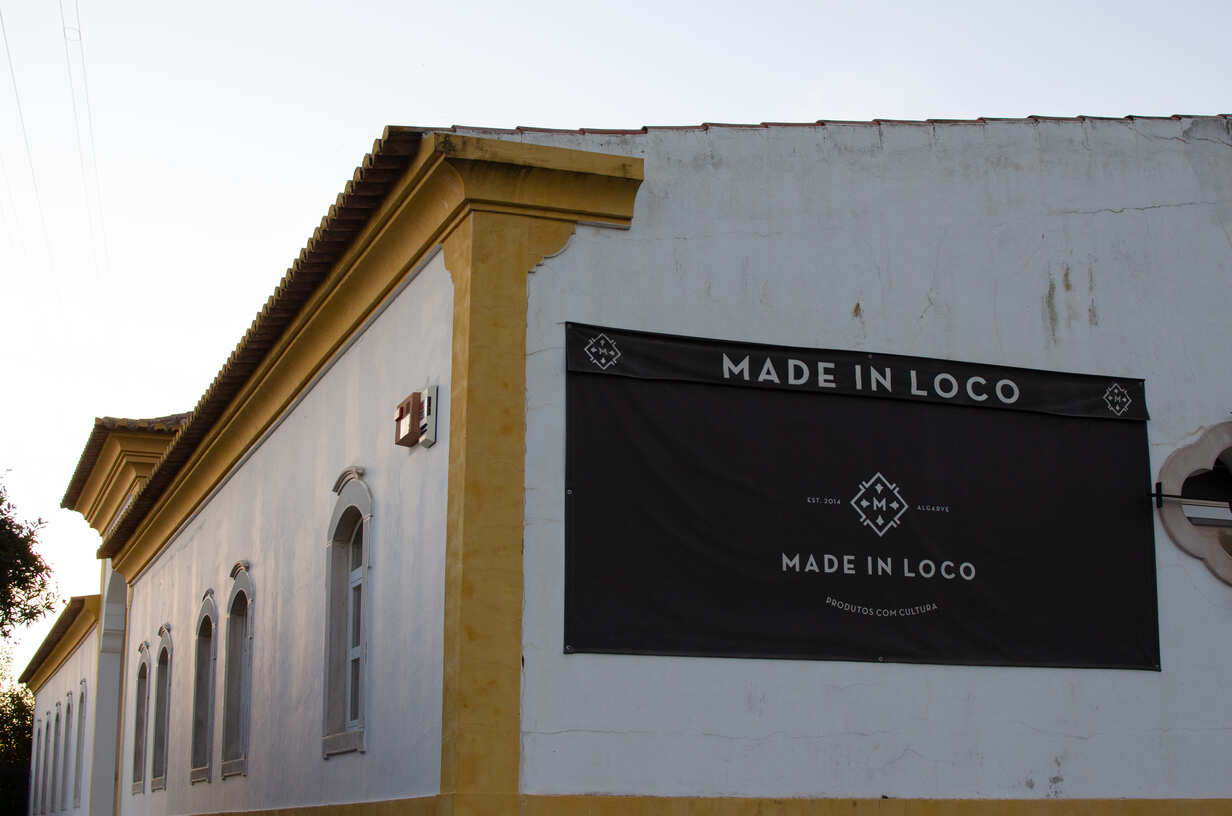
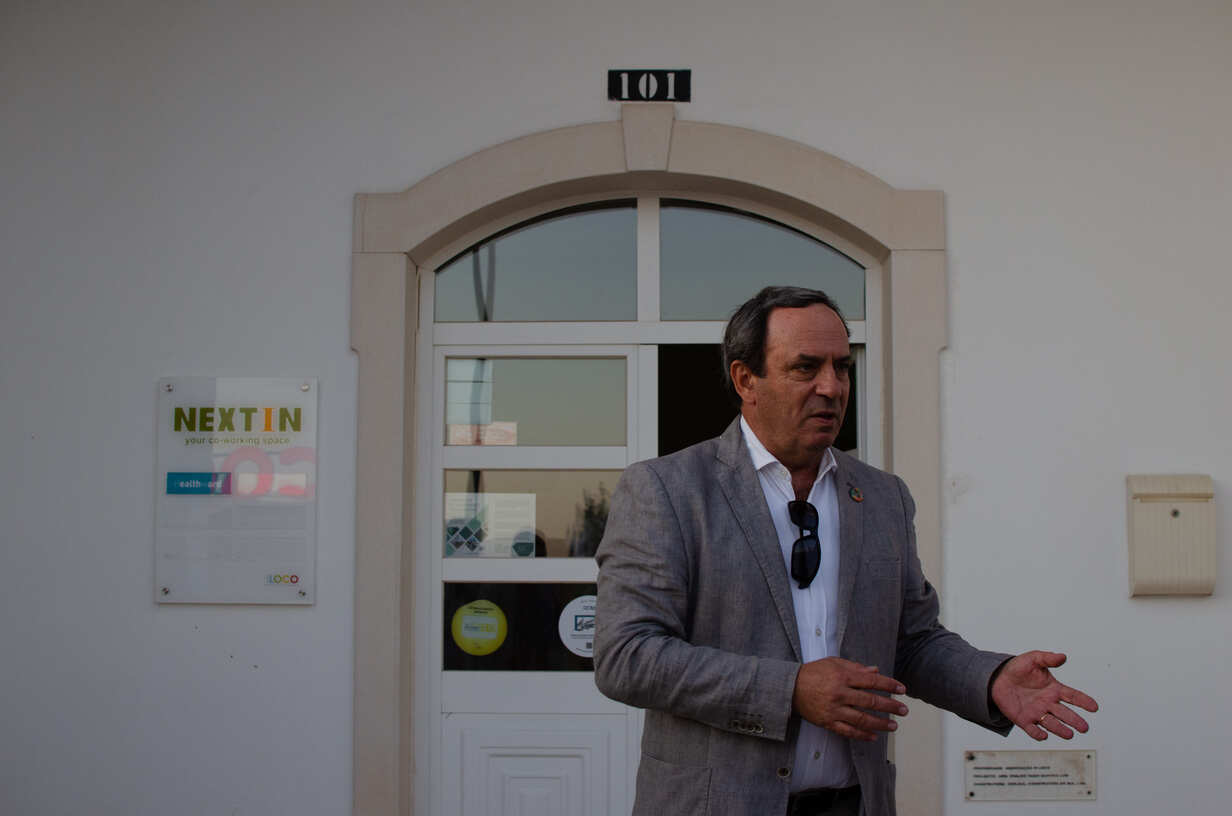
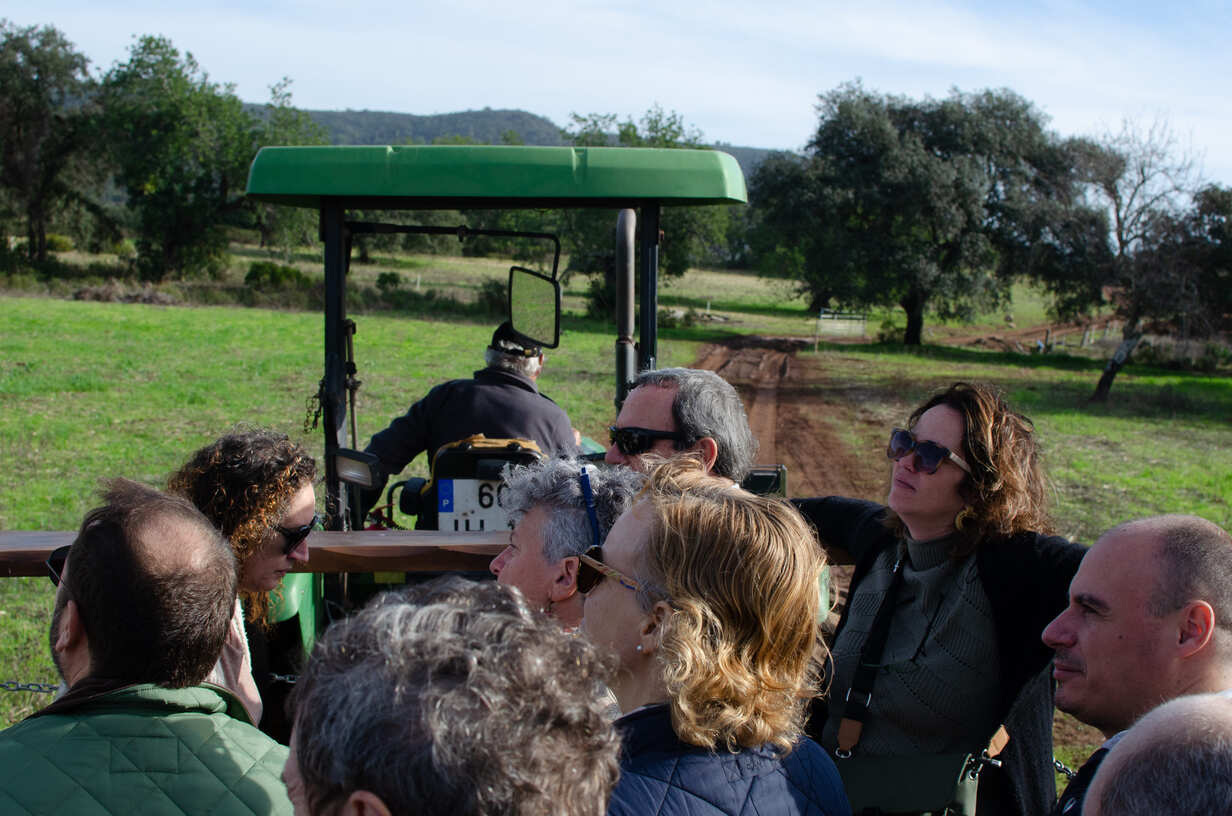
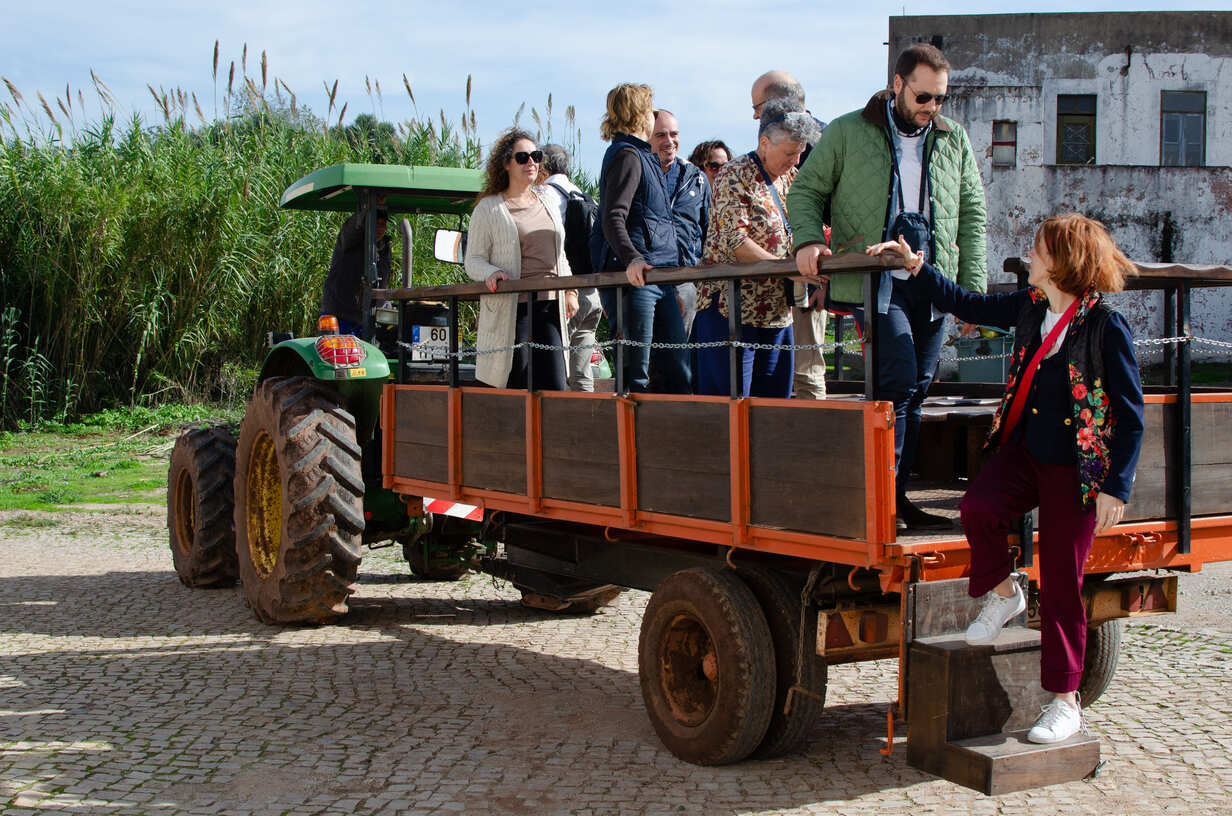
The COREnet team wrapped up the day with a brief visit to the InLoco offices, where the “family” atmosphere, onsite vegetable garden, and warm welcome made everyone feel at home. Artur and Arlete introduced the ongoing projects and initiatives carried out by Inloco for the rural development, Mediterranean Diet and local food and tourism valorisation. The day’s final stop was Quinta do Freixo, another Portuguese Golden Case nominee, where the team enjoyed local products and Portuguese traditions.
Quinta do Freixo
A family-run agritourism business with ancient tradition focused on balancing sustainability and economic viability. Although they could pursue intensive agriculture with crops like oranges and other vegetables, their goal is to cultivate products that grow in harmony with nature and the local ecosystem, distributing directly through their activities. This approach extends to animal farming, where the farm follows the natural cycles of animals to ensure ethical practices.
From the farm manager’s description of their story, Luis Cabral, also the challenge on tourism alternative business played a key role in sustaining their operations, providing a steady income that supports their sustainable initiatives. The agritourism offers guests the opportunity to stay in a beautiful rural setting, enjoy locally produced meals, and explore the surrounding countryside on bike tours. This is the philosophy behind is on “conscious tourism,” where visitors are educated about the farm’s sustainable practices and the importance of environmental stewardship.
Finally, a third Golden Case has been virtually presented to the COREnet team by Paula Mota Rodrigues, who meticulously explained how their project to supply school canteens in Torre Vedras works.
As the roadshow continues, the project team will keep sharing best practices and updating stakeholders on the progress of the project, with future events planned to further discuss and develop the role of advisory services in the short food supply chain system.
Click on the pictures and scroll through the gallery
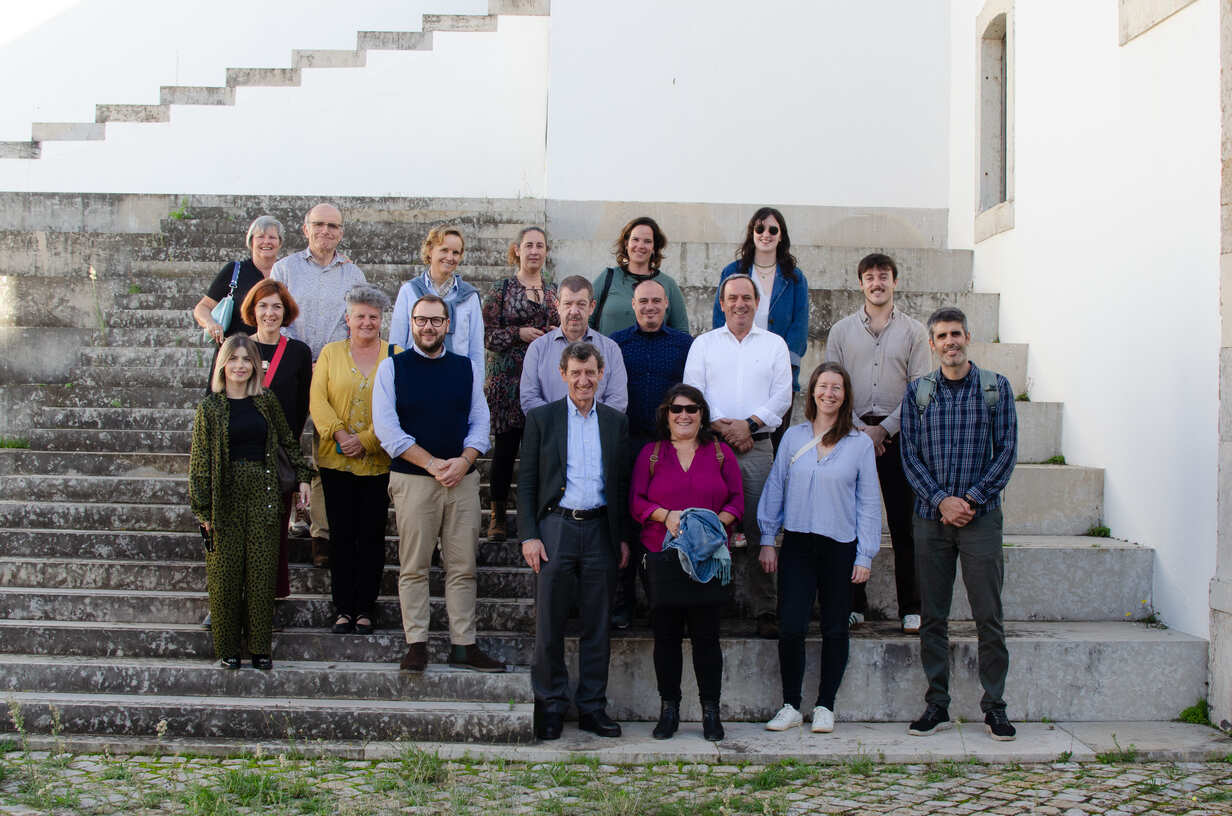
Photo credits: Leonardo Improta